Anki Is Bigger Than Language Learning (And That Changes Everything)
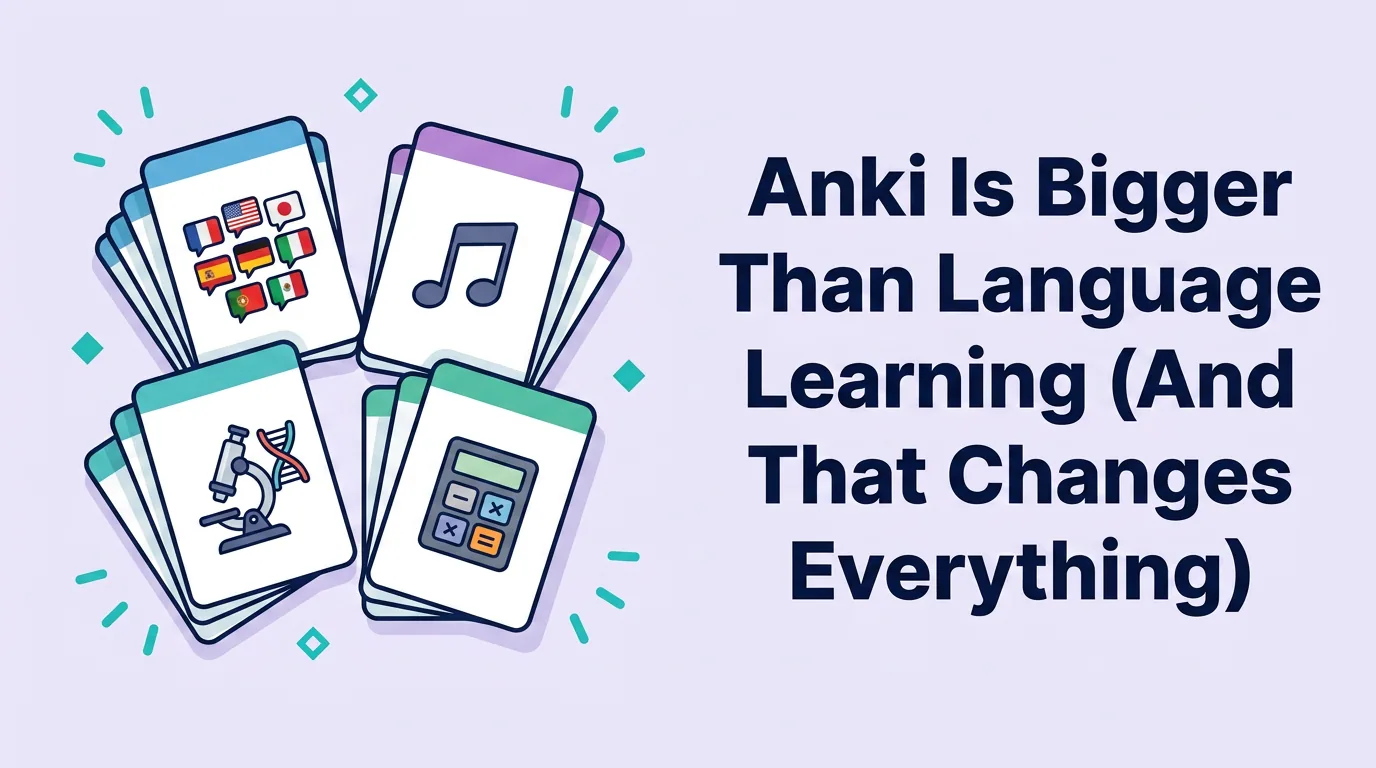
Most people find Anki because they want to learn a language. Maybe you started with Anki Spanish Flashcards to finally hold a real conversation on holiday. Maybe you picked up Anki French Flashcards before a trip to Paris. Or perhaps German noun genders drove you to your first spaced repetition deck and you never looked back.
Whatever brought you here, here's something worth sitting with: Anki is far larger than any one language, or even languages in general.
Once you truly understand how Anki works, the way you think about learning anything changes permanently.
The Core Idea Behind Anki (And Why It's So Powerful)
At its heart, Anki is a spaced repetition system (SRS). It shows you information at increasing intervals: right before the moment your brain is about to forget it. This is known as the spacing effect, one of the most well-documented findings in cognitive science.
Pair that with active recall (the act of retrieving information from memory rather than passively re-reading it), and you have a system that is genuinely more effective than most traditional study methods. Research consistently shows that retrieving information strengthens memory far more than simply reviewing it.
If you want to go deeper on the mechanics, check out our article on how Anki works to learn a language better. The same principles apply to virtually any subject.
Beyond Languages: What People Actually Use Anki For
Here's where it gets interesting. The global Anki community has built decks for subjects that span nearly every field of human knowledge. Here are some of the most popular uses outside of language learning:
Medicine and Healthcare Anki is practically a rite of passage in medical education. Students studying anatomy, pharmacology, pathology, and clinical reasoning use Anki decks to prepare for licensing board exams. The sheer volume of information required in medical school makes spaced repetition not just helpful; it's almost essential.
Music Theory Chord progressions, key signatures, sight-reading notation, interval recognition: Anki turns abstract musical concepts into genuine instinct over time. Many musicians use it to internalize theory they'd otherwise have to look up during practice.
History and Geography Countries, capitals, historical timelines, rulers, wars, treaties. The kind of knowledge that makes you formidable at trivia nights and genuinely well-rounded as a thinker.
Law Law students have been running Anki decks for years. Case names, legal definitions, constitutional amendments, procedural rules: the type of dense, interconnected material that calls out for a systematic memory approach.
Chess Openings and Theory Serious chess players memorize long lines of opening theory. Anki makes that process systematic and sustainable, rather than a chaotic blur of variations.
Programming and Computer Science Syntax rules, data structures, algorithms, keyboard shortcuts, design patterns, especially valuable when picking up a new programming language. (The irony of using a language-learning tool for programming languages is not lost on us.)
Culinary Arts Wine pairings, spice combinations, French culinary vocabulary (mise en place, brunoise, chiffonade), flavor profiles. The professional kitchen has its own dense language, and Anki handles it well.
Art History and Architecture Artists, movements, famous works, architectural styles and periods. Whether you're a student or simply want to sound intelligent at a museum, Anki has you covered.
Astronomy Star names, constellation patterns, planetary data, deep-sky objects. The universe is enormous. Anki helps organize your small corner of knowledge about it.
Philosophy Key thinkers, famous arguments, logical fallacies, schools of thought. If you've ever tried to remember the difference between deontological and consequentialist ethics without a cheat sheet, you'll appreciate what systematic review can do.
The Common Thread
Every subject on that list shares one thing: they require memory.
And memory isn't talent. It's not something you either have or you don't. It's a trainable skill, one that responds to the right system applied consistently over time. Anki is that system.
This is also the mindset shift that makes Anki users different from average learners. Once you've used Anki seriously, you stop saying "I'm just not good at remembering things" and start asking "Have I actually built a system for this?" That's a profound change in how you relate to learning.
Why This Matters for Language Learning Specifically
None of this should detract from Anki's power as a language learning tool. If anything, understanding the breadth of what it can do should increase your confidence in using it for your target language.
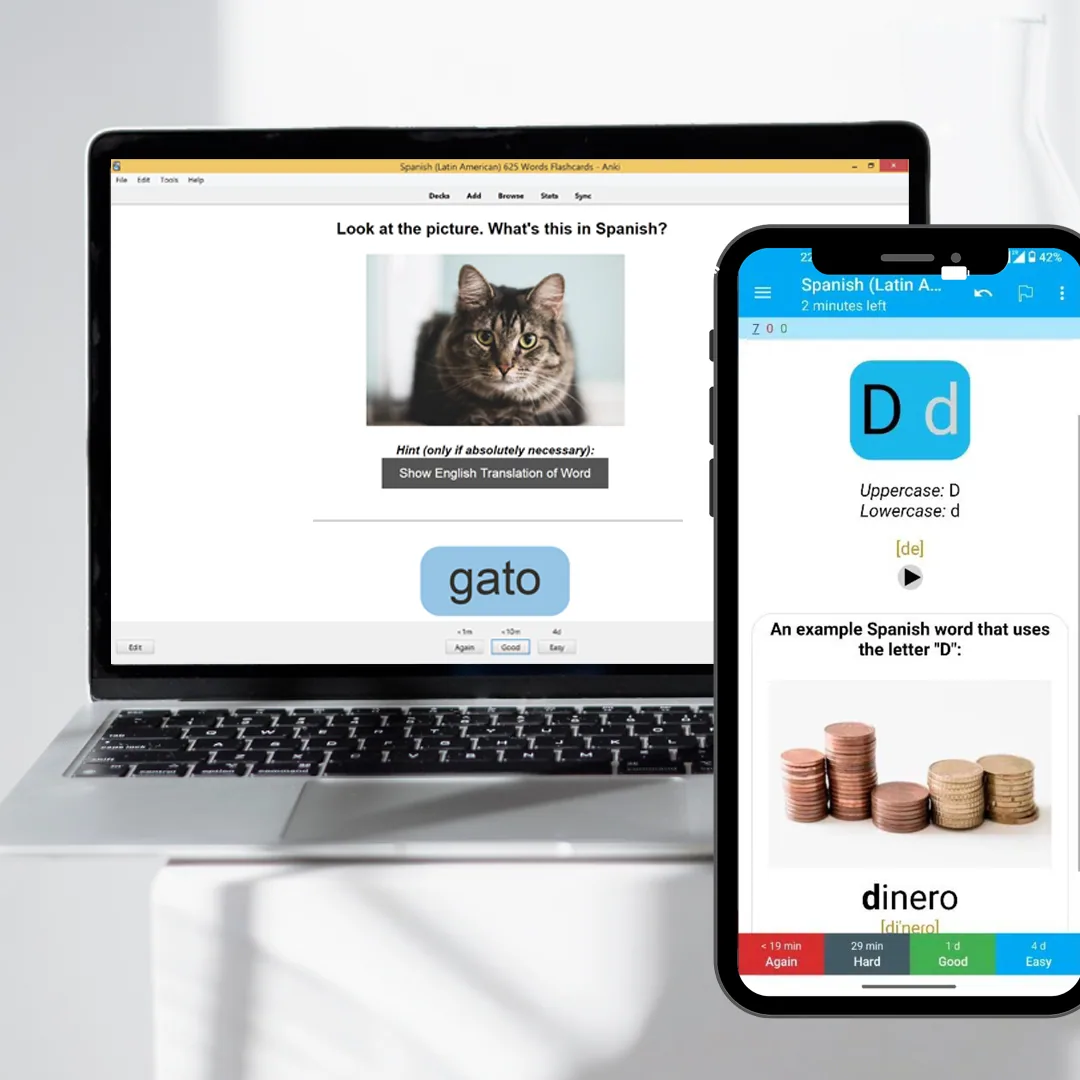
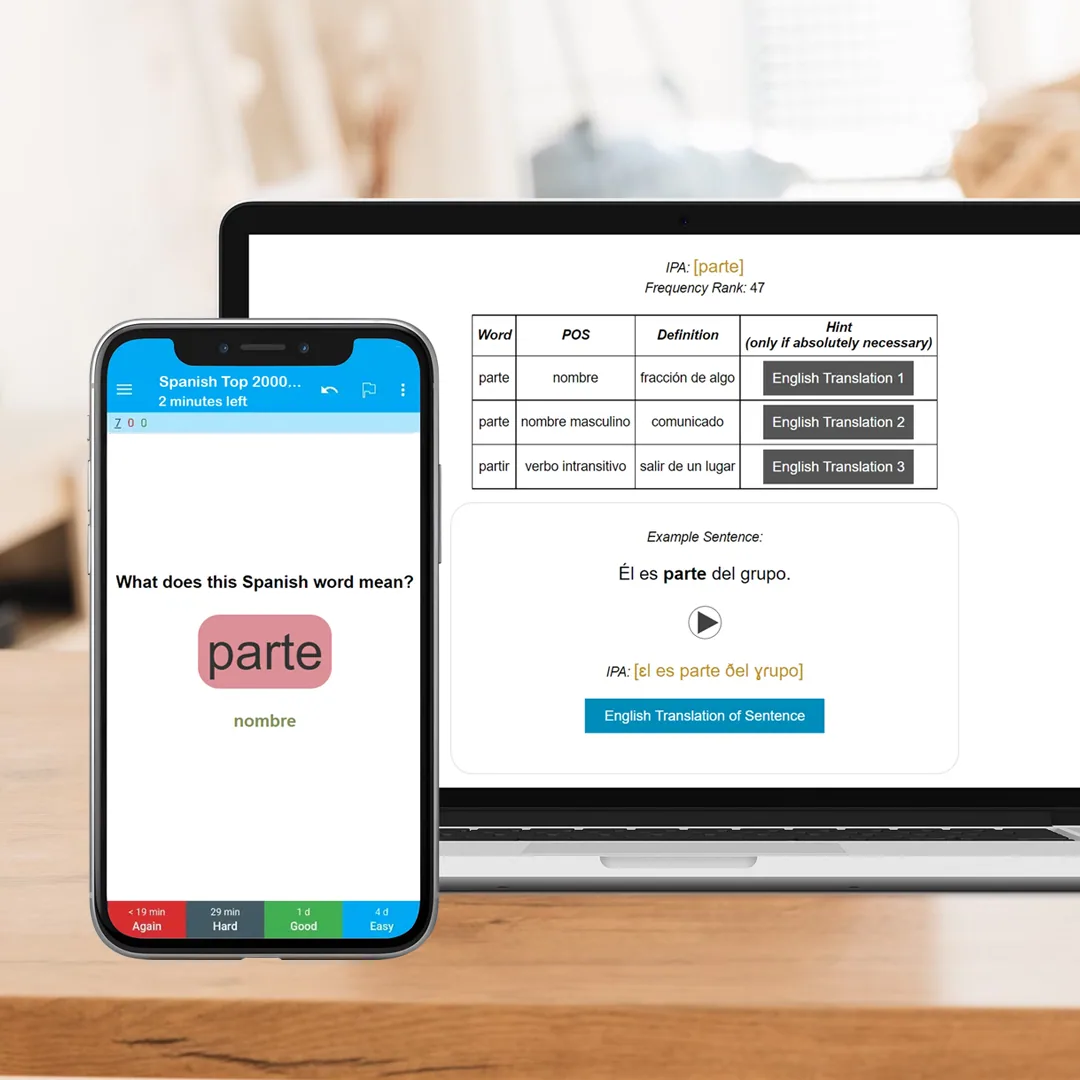
When you're using Pronunciation Flashcards to train your ear and mouth for sounds that don't exist in your native language, you're doing the same thing the medical student is doing with drug names. When you're drilling Vocabulary Flashcards to internalize the top 2,000 words of your target language, you're using the same mechanism the chess player uses to memorize opening theory.
The algorithm doesn't care whether the card says acetylcholinesterase or the subjunctive mood in Spanish. It just ensures you see it at the right time.
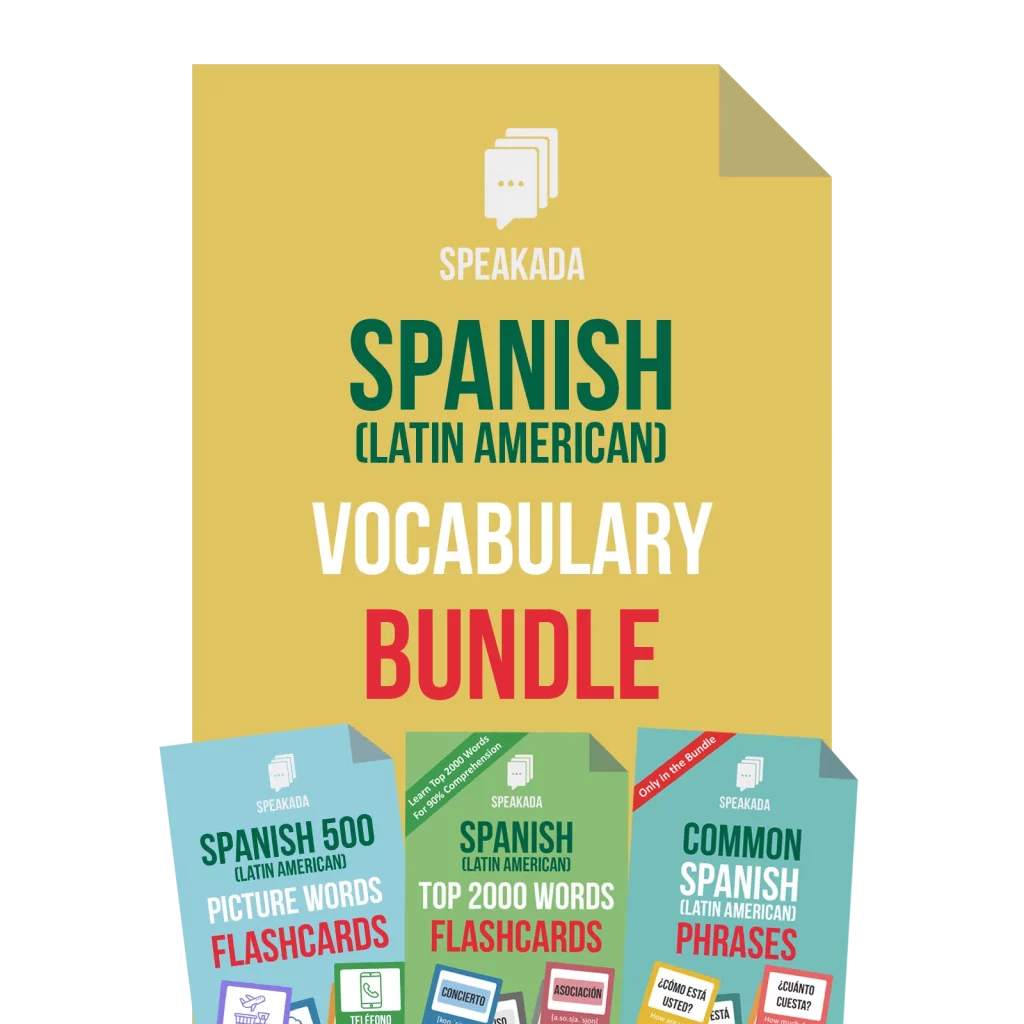
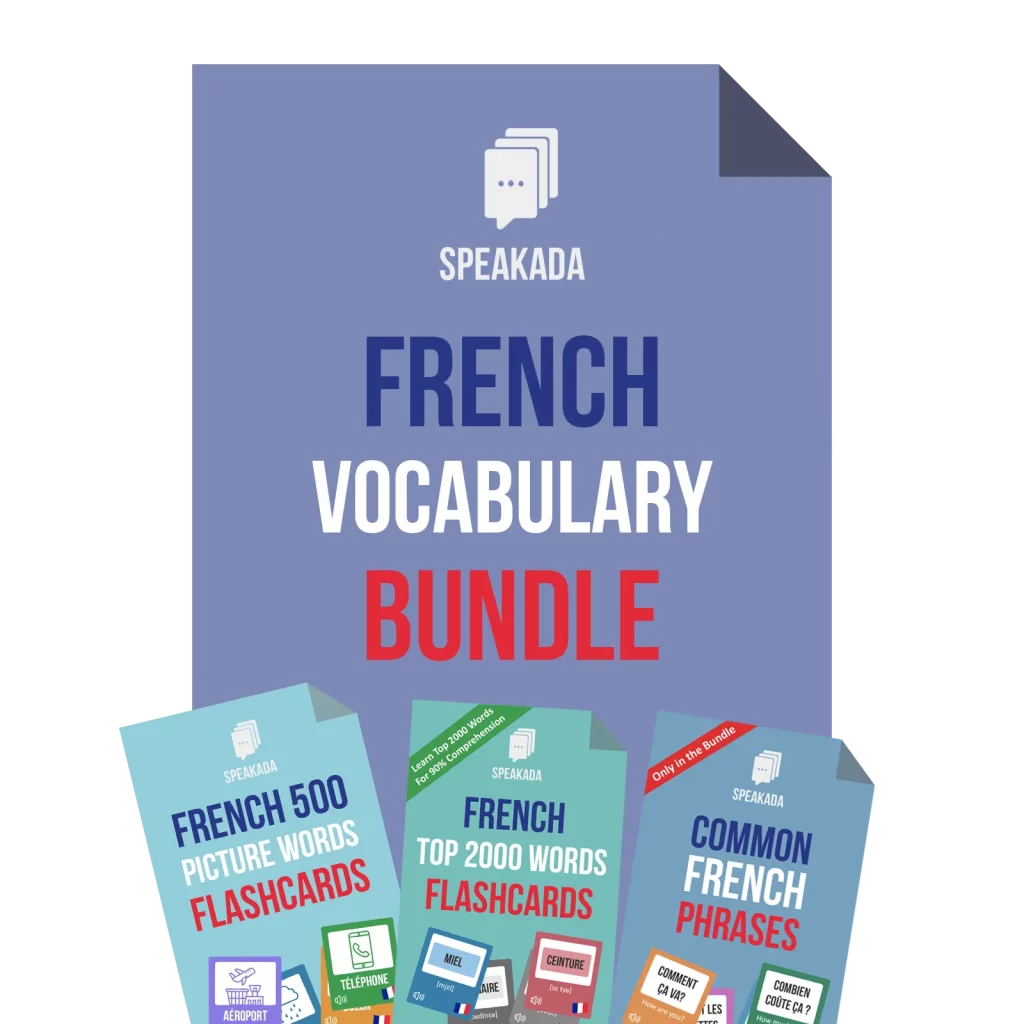
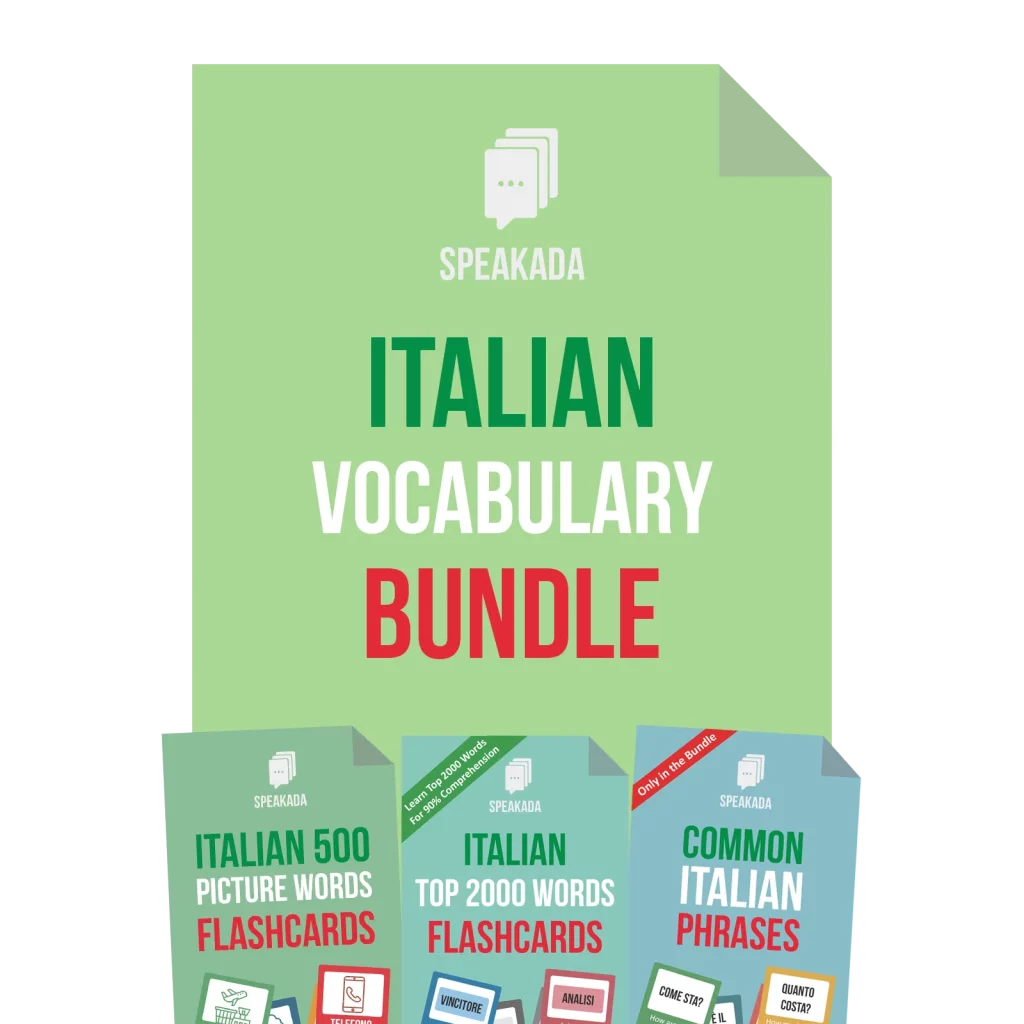
At Speakada, this philosophy shapes everything we build. Our Anki Language Learning Flashcards for Spanish, French, Italian, German, English, Dutch, and Polish are designed with structure, sequencing, and long-term retention in mind, not just coverage of content.
That means each deck covers the three dimensions where most learners struggle:
Pronunciation: Our Pronunciation Flashcards cover IPA sounds, minimal pairs, and the alphabet, giving you a phonetic foundation before you build vocabulary on top of it. Whether you're looking at the Spanish Pronunciation Bundle, the French Pronunciation Bundle, the Italian Pronunciation Bundle, or any of our other languages, the approach is the same: train your ear and your mouth together.
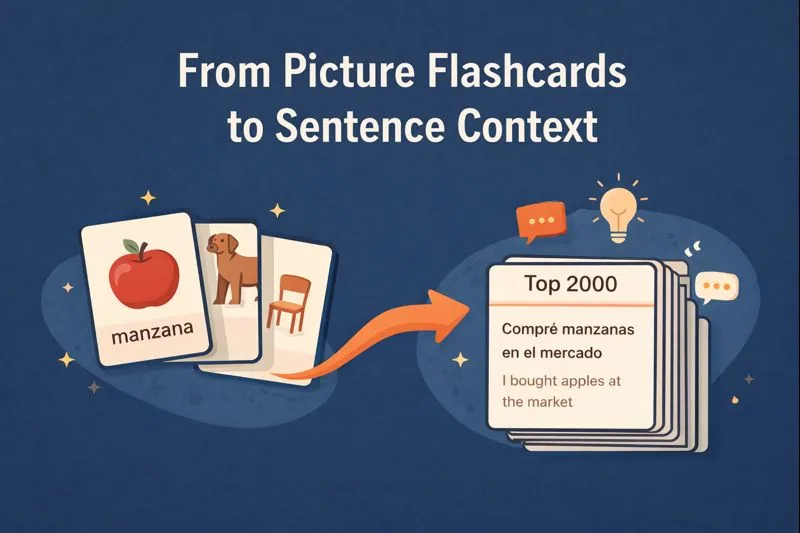
Vocabulary: Our Vocabulary Flashcards use picture-based learning and frequency-ranked word lists to help you acquire the words that actually matter first. The Spanish Top 2000 Words Flashcards, French Top 2000 Words Flashcards, German Top 2000 Words Flashcards, and the rest are built to maximize your communicative range as efficiently as possible.
Grammar: Our Grammar Flashcards break down rules into bite-sized, reviewable pieces, from Spanish Beginner Grammar Flashcards (A0–A2) all the way through to advanced C1 level, and similarly across French, Italian, and other supported languages.
How to Apply the Bigger-Picture Mindset
If today's article has sparked any curiosity about using Anki beyond languages, here's a simple approach: pick one thing you've always wanted to know more about, build a small starter deck of 20–30 cards, and commit to five minutes of review per day for one month. Just one month.
The results will likely surprise you. The algorithm is doing work in the background even when you're not actively studying. Cards you struggled with early on become effortless. Recall becomes automatic.
Curiosity plus system equals knowledge. That's the whole game, whether the subject is Italian verb conjugations, wine regions, or the moons of Jupiter.
Want More Smart Learning Tips Like This?
If you enjoyed this kind of thinking about Anki and language learning strategy, you'll love Speakada Weekly, our free newsletter packed with practical tips, learning ideas, and the occasional nerdy detour exactly like this one. No spam, just smart language learning ideas delivered to your inbox.
?? Sign up for the Speakada Newsletter here. It's free, and you can unsubscribe any time.
And if you're ready to take your language learning to the next level with professionally built Anki decks, explore what's available for your target language:
- Best Spanish Anki Decks That You Need Now
- Best French Anki Decks That You Need Now
- Best Italian Anki Decks That You Need Now
- Best German Anki Decks That You Need Now
- Best Dutch Anki Decks That You Need Now
- Best Polish Anki Decks That You Need Now
The system works. You just have to use it.