Which German Anki Deck to Start With? (Hint: Not Grammar)
The short answer: start with high-frequency German vocabulary, and learn each noun with its article so gender comes for free. Don’t start with the cases. Here’s why that instinct is backwards.
The myth: “German is all about grammar, so start there”
German’s reputation (four cases, three genders, verbs flung to the end of the sentence) scares learners into opening a grammar textbook on day one and grinding declension tables. It feels responsible. It’s also the fastest way to quit. Grammar tables with no words to put in them are abstract and joyless, and they don’t give you anything you can say.
The reality: words first, with gender baked in
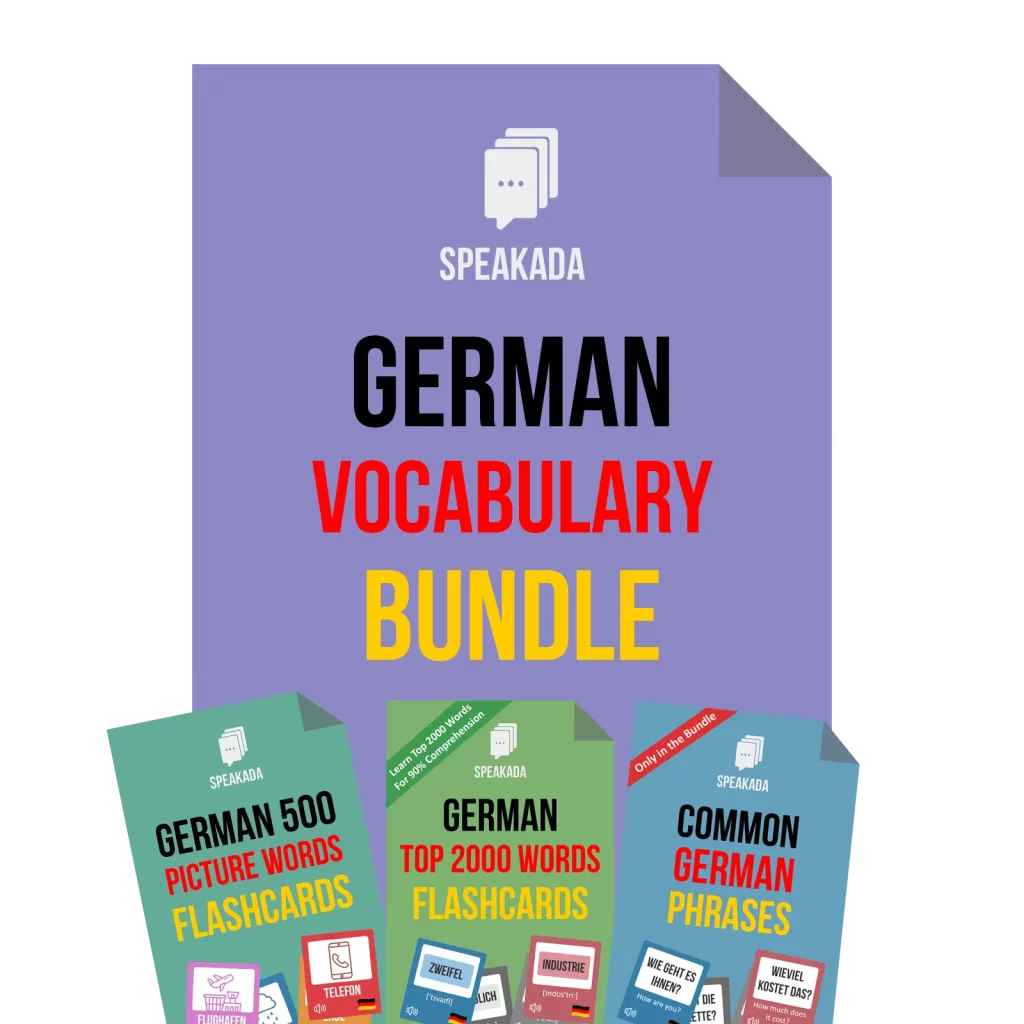
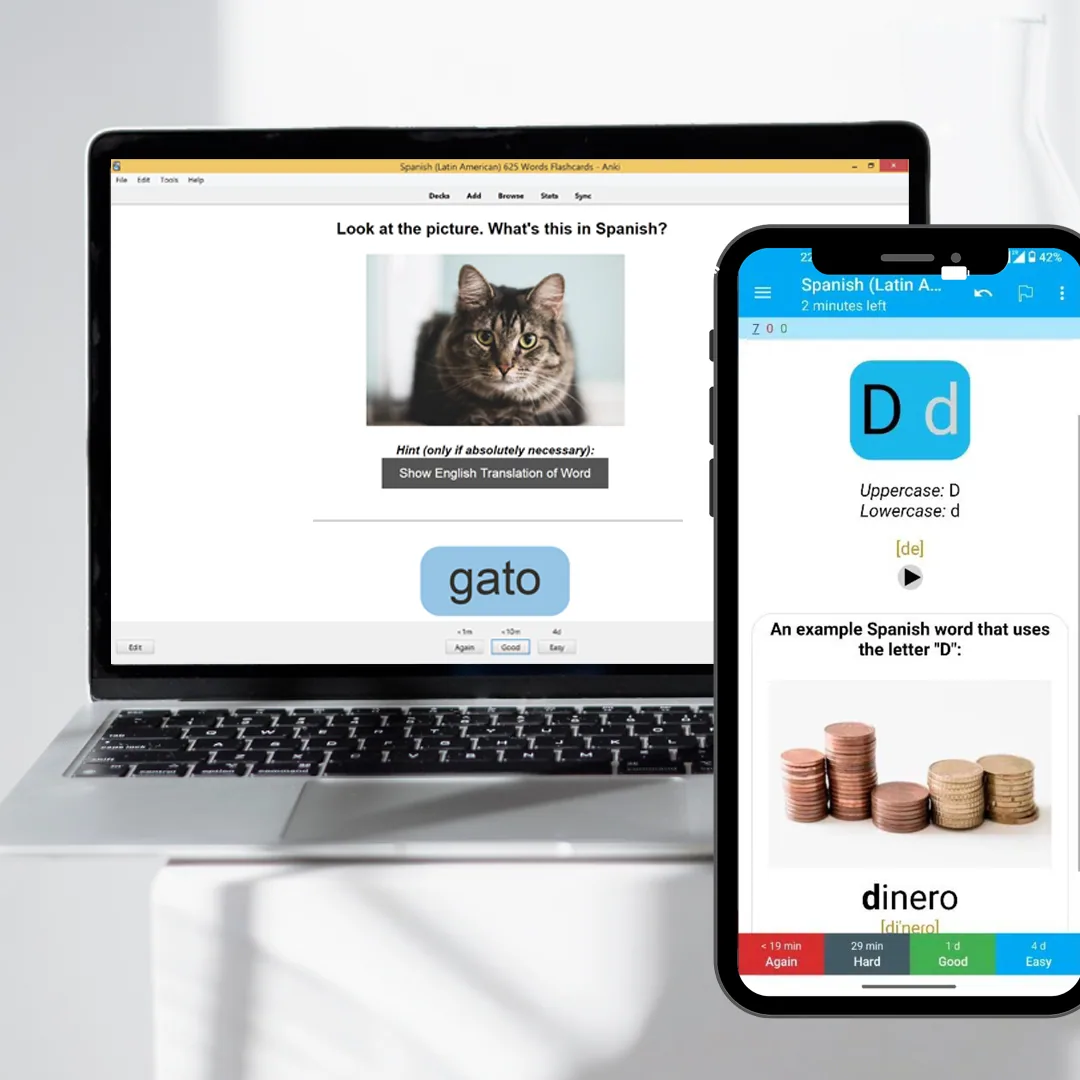
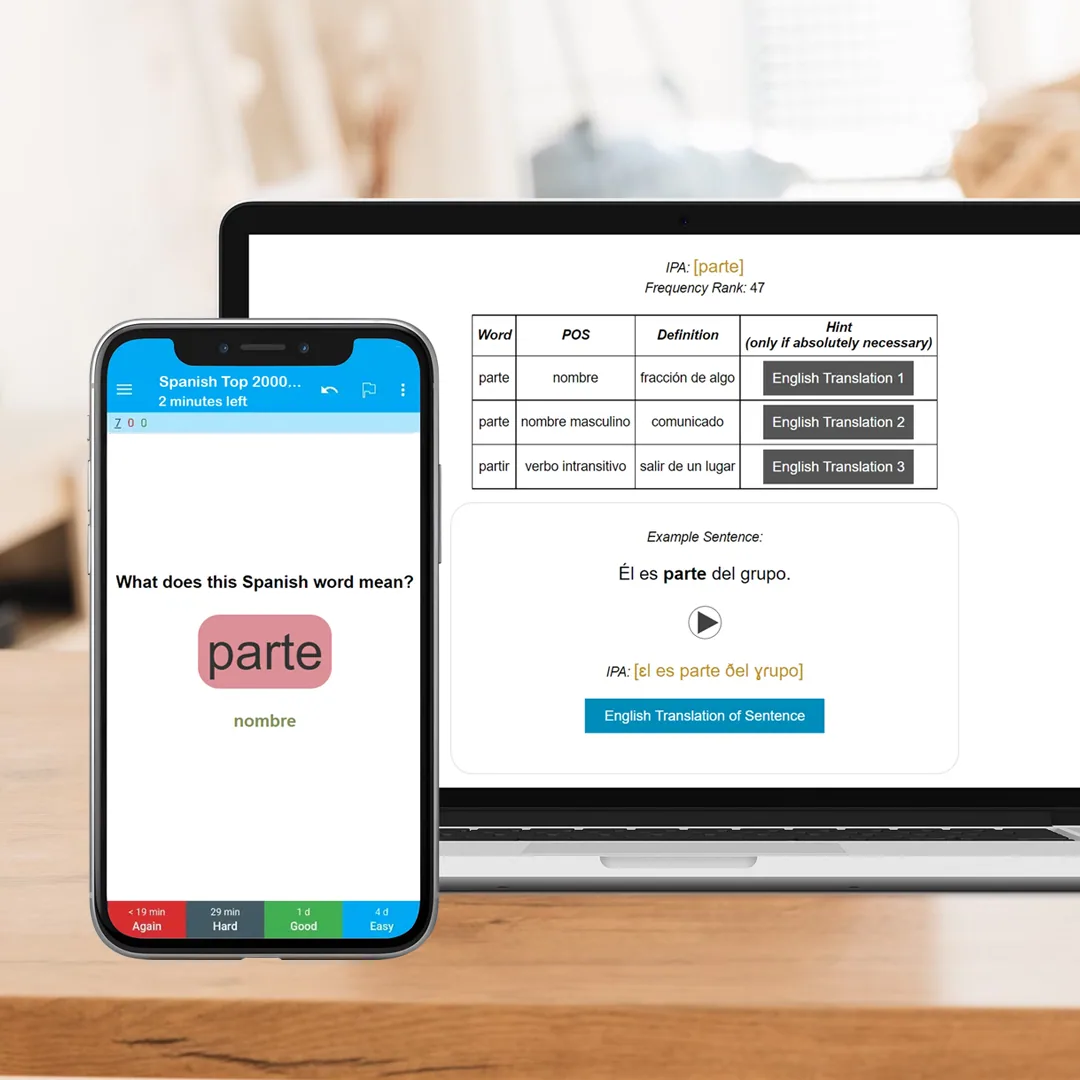
You can’t apply a case ending to a word you don’t know. So the highest-leverage first deck is vocabulary (the most frequent German words, in frequency order) with one rule that makes all the difference: never learn a noun without its article. Learn der Schlüssel, not Schlüssel; die Tür, not Tür; das Haus, not Haus. Store the gender as part of the word from the very first card and you sidestep the single most common German mistake before it starts. The German Vocabulary Bundle is built around exactly this high-frequency-first approach.
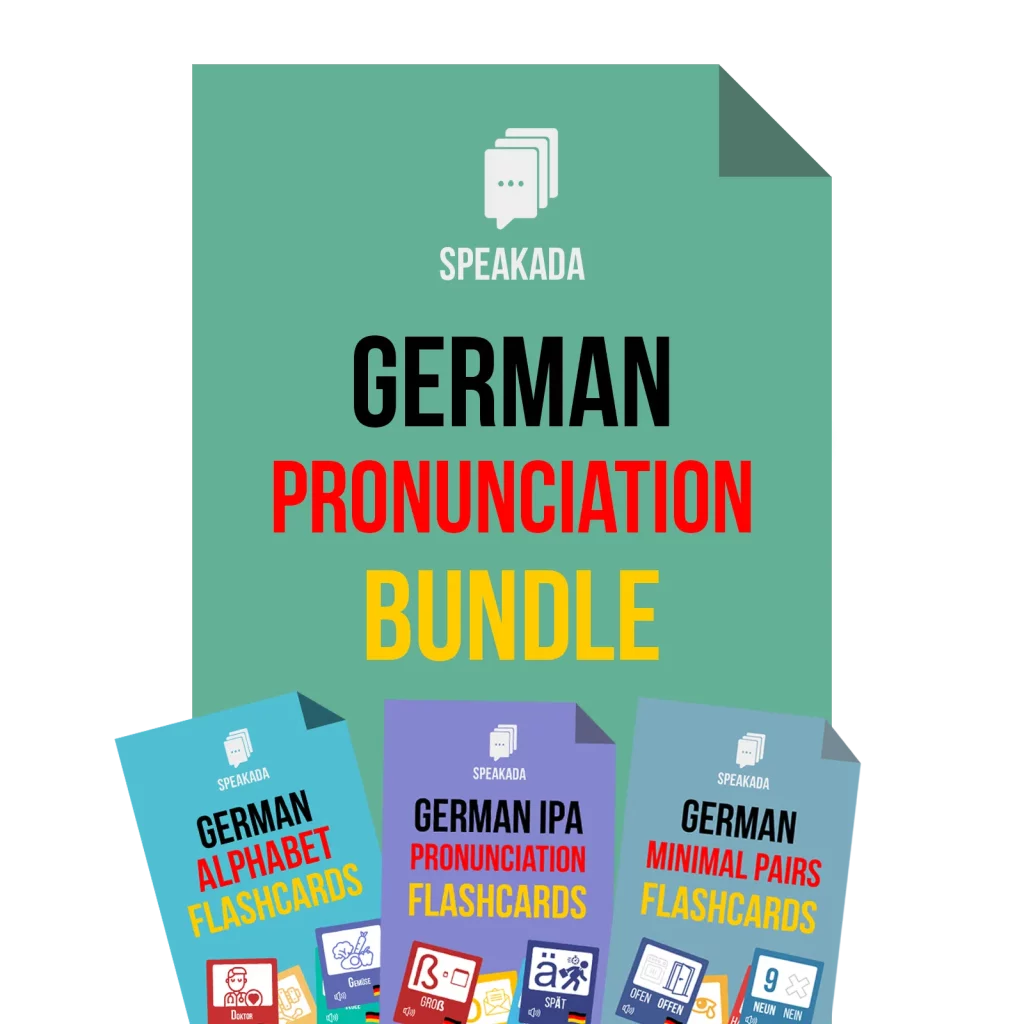
If you’re a true beginner who can’t yet produce German sounds (the ch in ich vs ach, the ü and ö, the consonant clusters), pair it with the German Pronunciation Bundle so your ear is right before habits set.
What about the cases and word order?
They matter, but you absorb them far better in context than from tables. Cards with full example sentences (and audio) let you meet den Schlüssel and dem Mann inside real phrases, so the endings attach to meaning instead of memorised grids. Once you’ve got a few hundred high-frequency words living in sentences, the grammar has something to hold on to, and it clicks much faster than it would have on day one.
Note: Speakada offers German Vocabulary and Pronunciation bundles; there’s no standalone German grammar deck, by design, because German grammar is best drilled in-sentence through the vocabulary decks rather than as isolated tables.
Common questions
Shouldn’t I learn the cases before I make mistakes? You’ll make case mistakes either way. Everyone does. What protects you is learning gender with every noun from the start and meeting endings inside real sentences, not memorising tables in a vacuum.
Pronunciation or vocabulary first for German? Vocabulary for most people, with audio on every card. Add pronunciation first only if you genuinely can’t produce German sounds yet.
The takeaway
The German deck to start with is vocabulary (high-frequency words, each carrying der/die/das) with pronunciation alongside it if you’re starting from zero. Skip the standalone grammar grind; let the cases come from sentences. Then run the deck the right way with how to use Anki for German.
Still weighing it up? Here’s a rundown of the best German Anki decks.
Want a weekly, research-based language-learning tip in your inbox? Join SPEAKADA WEEKLY.