Why AI Translation Tools Can Quietly Undermine Your Language Learning
Short answer: AI translation and correction tools aren’t the problem. Using them before you try to produce the answer yourself is. The fix isn’t avoiding AI - it’s changing the order of operations so you still get the retrieval practice that builds long-term memory.
Does AI translation actually hurt language learning?
There isn’t yet a large body of long-term research specifically on AI chat tools and language retention - it’s a genuinely new question, and any article claiming a definitive study has settled it is overstating the evidence. What we can say honestly is narrower and more useful: the concern about AI tools maps directly onto something language-acquisition and memory researchers have studied for decades - the difference between recognizing an answer and producing it yourself.
A learner recently described the pattern to us well. They’d type a sentence, get an instant AI correction, feel like they understood it immediately - and then completely blank on the same grammatical structure a week later, in an actual conversation. Nothing was wrong with the correction. The problem was what happened (or didn’t happen) in the learner’s own head before they saw it.
Why retrieval matters more than exposure
Memory research is fairly consistent on one point: you don’t build durable memory by being shown the right answer. You build it by producing the right answer yourself, under a bit of effortful uncertainty, and then doing it again after time has passed.
This is the same underlying mechanism that makes spaced repetition software like Anki work in the first place - it isn’t a hunch, it’s one of the most heavily replicated findings in the science of memory. A meta-analysis of 317 experiments by Cepeda and colleagues found that spacing your practice over time reliably beats cramming for long-term retention (Cepeda et al., 2006).
An instant AI correction, used as your first move, skips the retrieval step entirely. You see the fix, you nod, you move on - and because you never actually pulled the answer from your own memory, there’s nothing durable stored. It feels like learning because you understood it in the moment. It doesn’t stick like learning, because you didn’t have to work for it.
This isn’t unique to AI, by the way. The same thing happens if you re-read a textbook explanation five times instead of testing yourself once - recognition feels like knowledge, but it isn’t the same thing as being able to produce the answer cold. AI tools just make the “see the answer immediately” path faster and more tempting than it’s ever been.
How to use AI tools without losing the memory benefit
The fix isn’t “stop using AI.” It’s putting the effort in front of the answer, not after it.
- Attempt production first. Write or say the sentence yourself, out loud or on paper, before you open a translation or grammar-check tool. Let the AI be the answer key you check against - not the first draft you lean on.
- Delay the second look. Once you’ve seen a correction, don’t just move to the next sentence. Come back to that same correction later - later that day, or the next - without looking at it, and try to produce it again from memory. That second, delayed retrieval is where the actual learning consolidates.
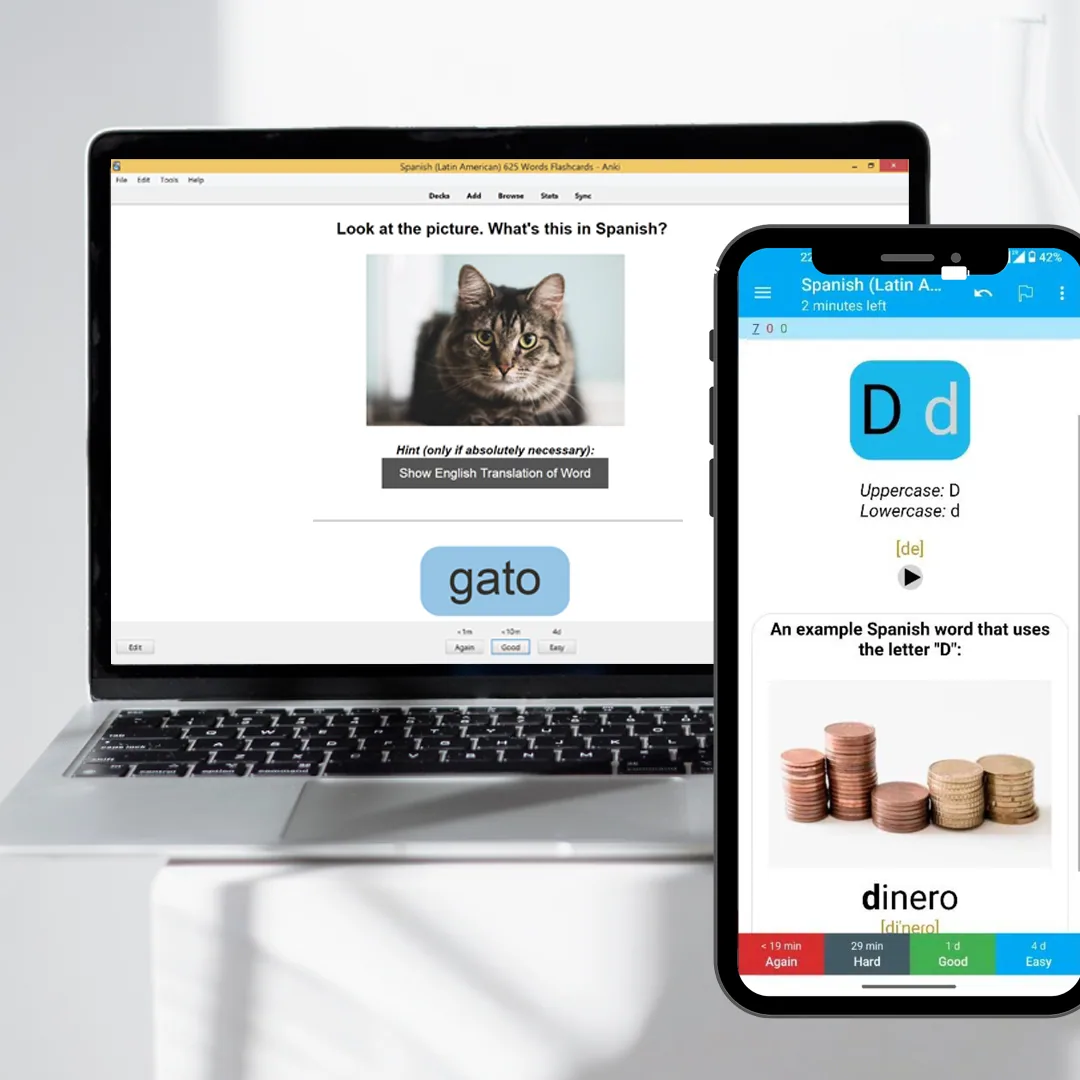
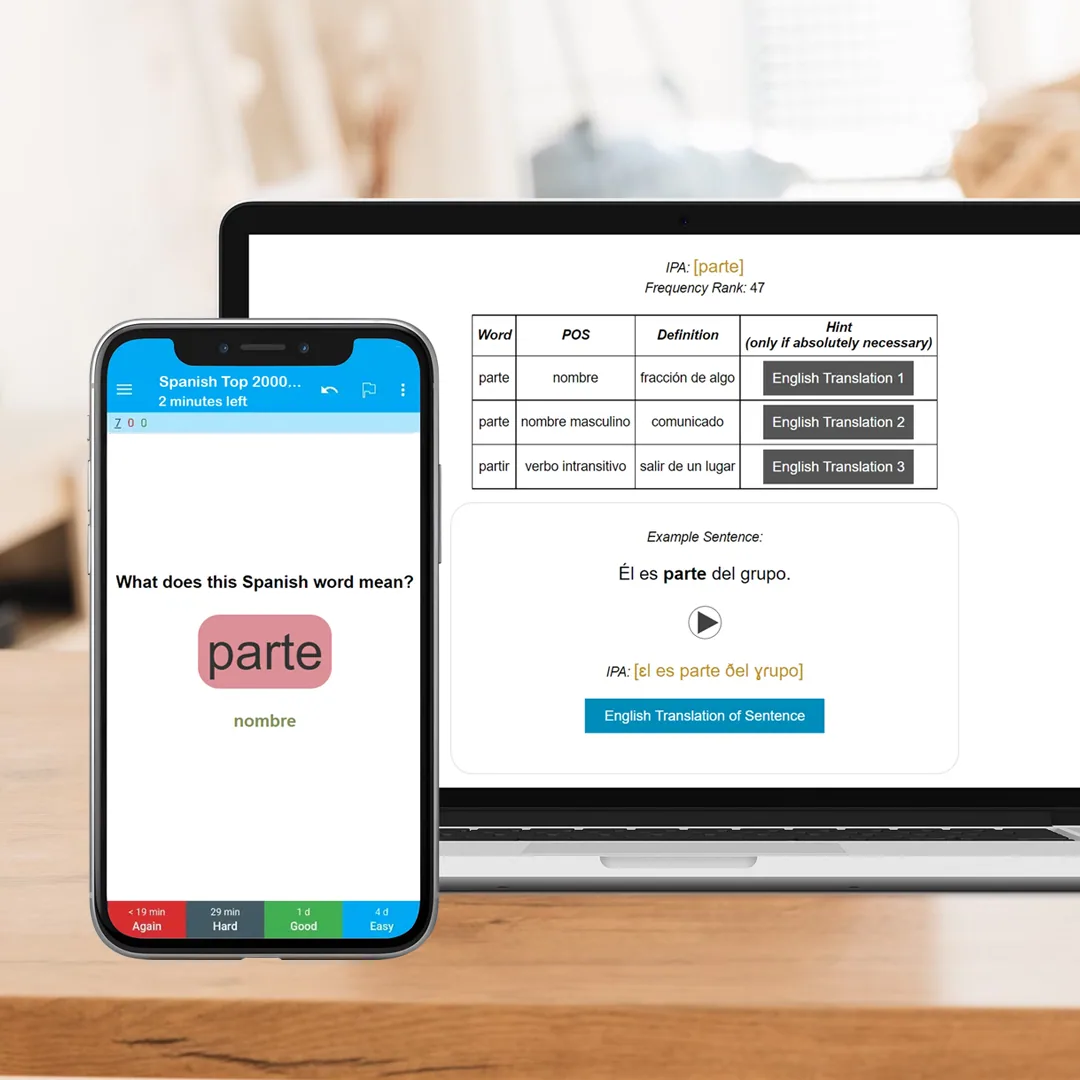
- Capture corrections somewhere that resurfaces them. A correction you see once in a chat window and never again isn’t building anything durable. Put it into a spaced-repetition deck (a Speakada flashcard deck, or your own Anki cards) so you’re forced to retrieve it again on a schedule, rather than relying on a single exposure.
- Use AI for volume, not for your only rep. AI conversation partners are genuinely good for getting more speaking practice than you’d otherwise get. The fix is the same: try to say what you mean before the AI reformulates it for you, not instead of trying.
Does this apply to grammar checkers too?
Yes, the same logic applies to grammar-check tools, not just translation. If you write a sentence with a grammar mistake and a tool silently fixes it before you’ve noticed the mistake yourself, you’ve been shown a correct answer without ever generating - or even identifying - the wrong one. Try writing first, then checking, then explicitly noticing what changed and why, rather than accepting an inline fix as you type.
The bottom line
AI tools are a genuine addition to a language learner’s toolkit - faster feedback, more available practice partners, instant answers when you’re stuck. None of that is the issue. The issue is order: if the tool answers before you’ve tried, you lose the retrieval step that actually builds memory. Try first. Check second. Come back to it later. That’s the whole fix, and it works whether you’re learning Spanish, French, Italian, German, Dutch, Polish, or English.
If you want a system built around exactly this principle - retrieval before exposure, on a schedule that’s proven to work - that’s what a vocabulary flashcard system and pronunciation flashcards are designed to do: force you to produce the answer, on a spaced schedule, before you ever see it confirmed.
Want more of this kind of honest, non-hype breakdown of what actually works in language learning? Subscribe to Speakada Weekly for one practical email a week - no gimmicks, just what the research and our own testing actually show.