Which Anki Deck Should You Start With? A 2-Minute Guide
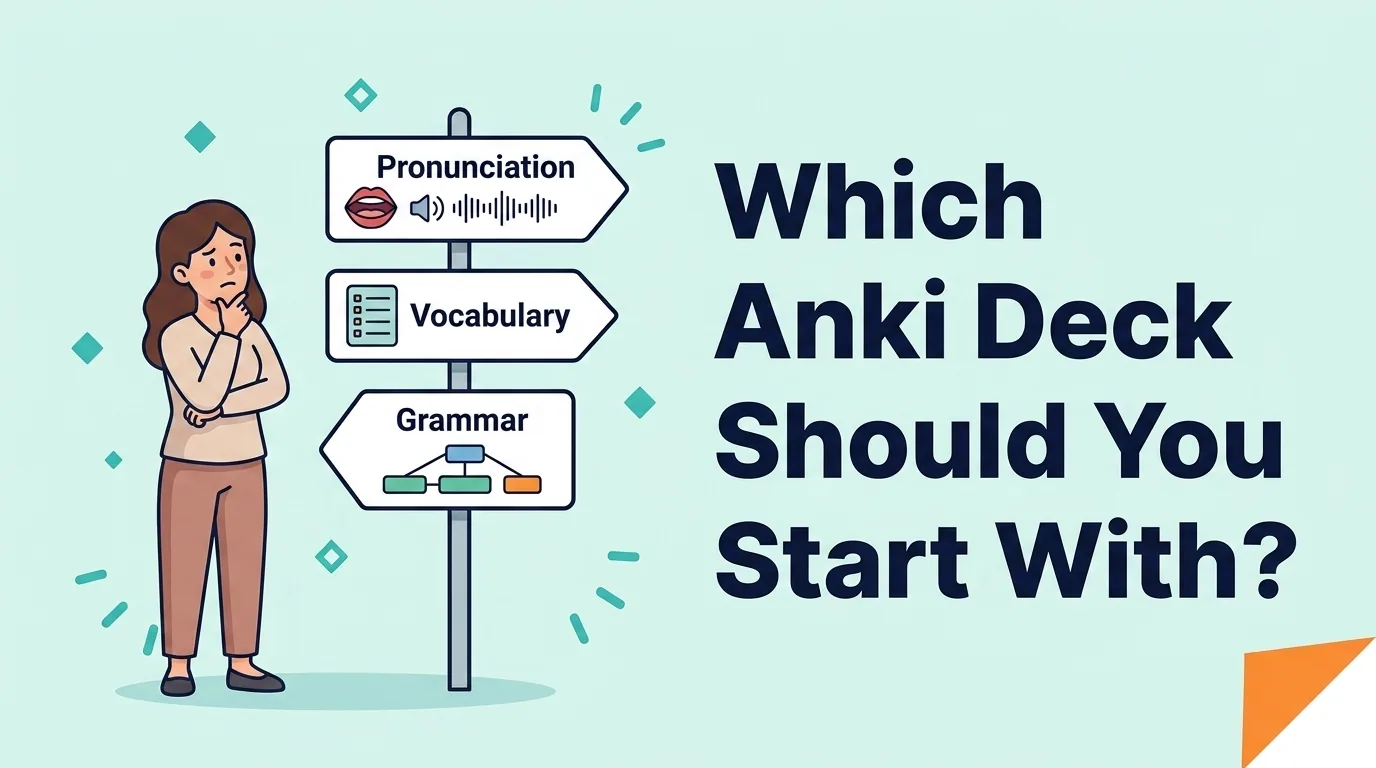
The short answer: if you want the most progress for the least effort, start with high-frequency vocabulary (the Top 2,000 words). If you’re a true beginner, pair it with pronunciation so bad habits never set in. If you already have the words but speaking feels stilted, it’s grammar. And if you just want to test the system, the Top 100 Words deck costs about a dollar.
Why vocabulary is usually the best starting point
It’s tempting to start everywhere at once. But there’s a reason high-frequency vocabulary gives the biggest early return: a small set of common words does an outsized amount of work.
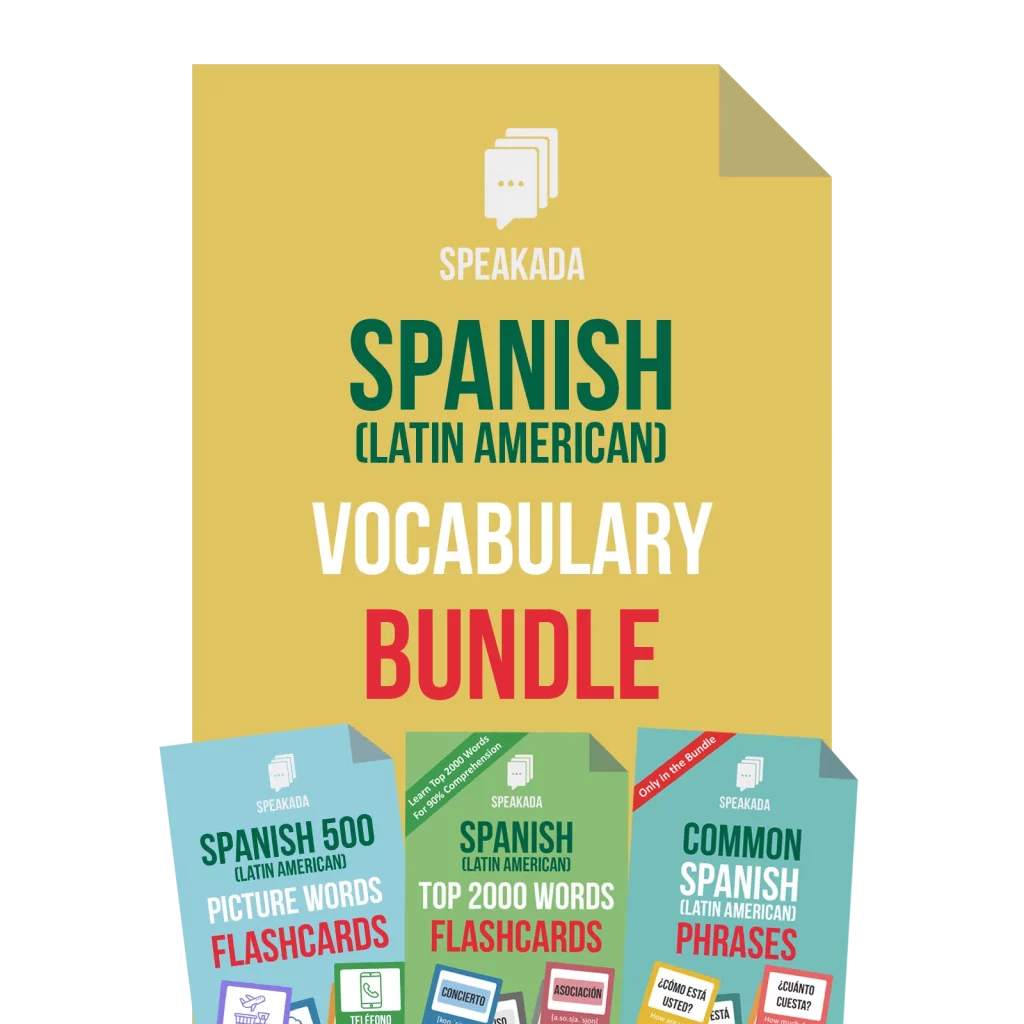
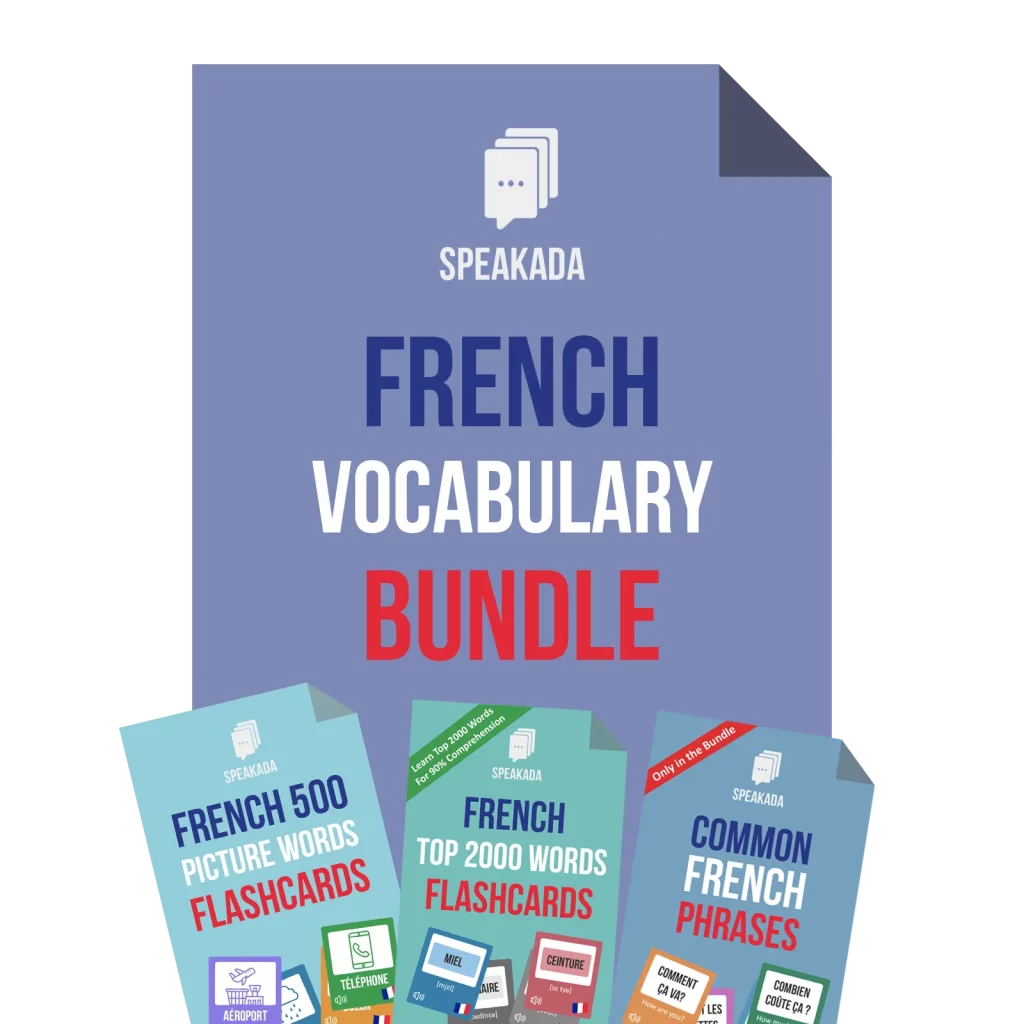
Vocabulary researcher Paul Nation found that roughly the 2,000 most frequent word families cover about 96% of everyday spoken language (and around 80% of written text) (Nation, 2006). In other words, learning the right ~2,000 words unlocks most of what you’ll actually hear in conversation. That’s why the Top 2,000 vocabulary deck is the highest-leverage place for most learners to begin.
When to start with pronunciation instead
If you’re starting from absolute zero, learning the sounds correctly from day one prevents mistakes from hardening into habits you have to unlearn later. Pronunciation decks built on the alphabet, IPA, and minimal pairs train your ear early - which, as it turns out, is the foundation of a good accent.
When it’s actually grammar
If you can understand a lot and recognise plenty of words but your own sentences come out stilted, you’ve hit the intermediate plateau. More vocabulary won’t move it - structure will. That’s when a grammar deck (A0 to C1) is the right next step.
The lowest-risk way to begin
If you’d rather try before you commit, the Top 100 Words deck is about a dollar - a quick way to see whether the format works for you before stepping up to a full bundle.
Common questions
How many words do you need to understand a conversation? Roughly the 2,000 most frequent word families cover about 96% of everyday spoken language - so a focused high-frequency list goes a long way before you need anything advanced.
Pronunciation or vocabulary first? If you’re a complete beginner, do both early - pronunciation to build the right sounds, vocabulary for usable coverage. If you already speak a little, vocabulary first.
Is it worth buying a bundle, or starting with one deck? Start with the layer that matches where you are. Many learners begin with vocabulary and add pronunciation or grammar once it’s part of their routine.
The takeaway
Match the deck to where you are: vocabulary for the biggest return, pronunciation if you’re starting cold, grammar to break the intermediate plateau - and the $1 Top 100 if you just want to test the waters. The same map applies whatever you’re learning: Spanish, French, Italian, German, Dutch, Polish, or English.
Want a weekly, research-based language-learning tip in your inbox? Join SPEAKADA WEEKLY.