Which Spanish Anki Deck Should You Start With? A 30-Second Self-Test
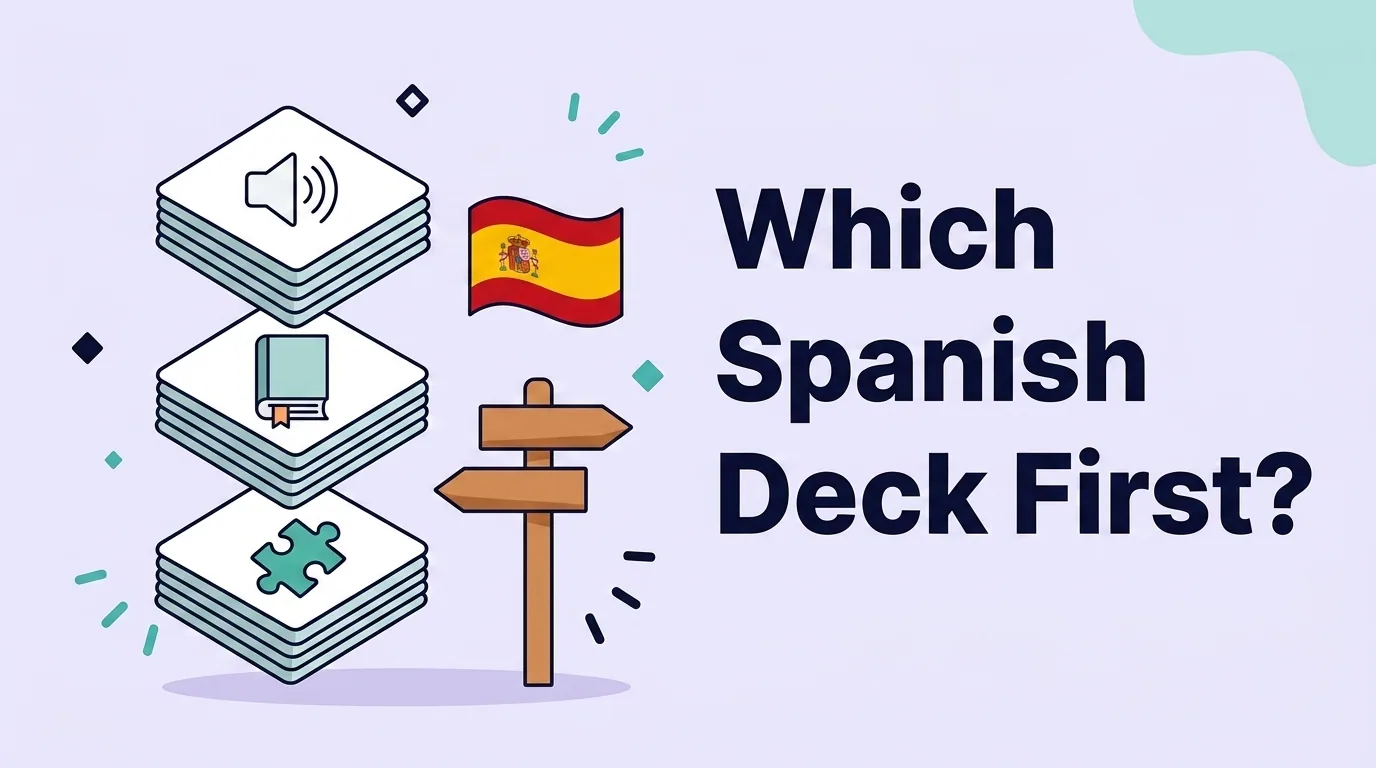
The short answer: for almost everyone, start with high-frequency Spanish vocabulary (the Top 2,000 words). The two exceptions are below. If you want to be sure in 30 seconds, answer three questions.
The 30-second self-test
1. Can you read a simple Spanish sentence aloud and trust your pronunciation? If no → start with pronunciation. Spanish spelling is famously consistent, so a little work here pays off fast: the rolled rr vs single r (perro vs pero), the ñ, and the vowels that stay pure (Spanish e is not the English “ay”). Lock these in before bad habits set in.
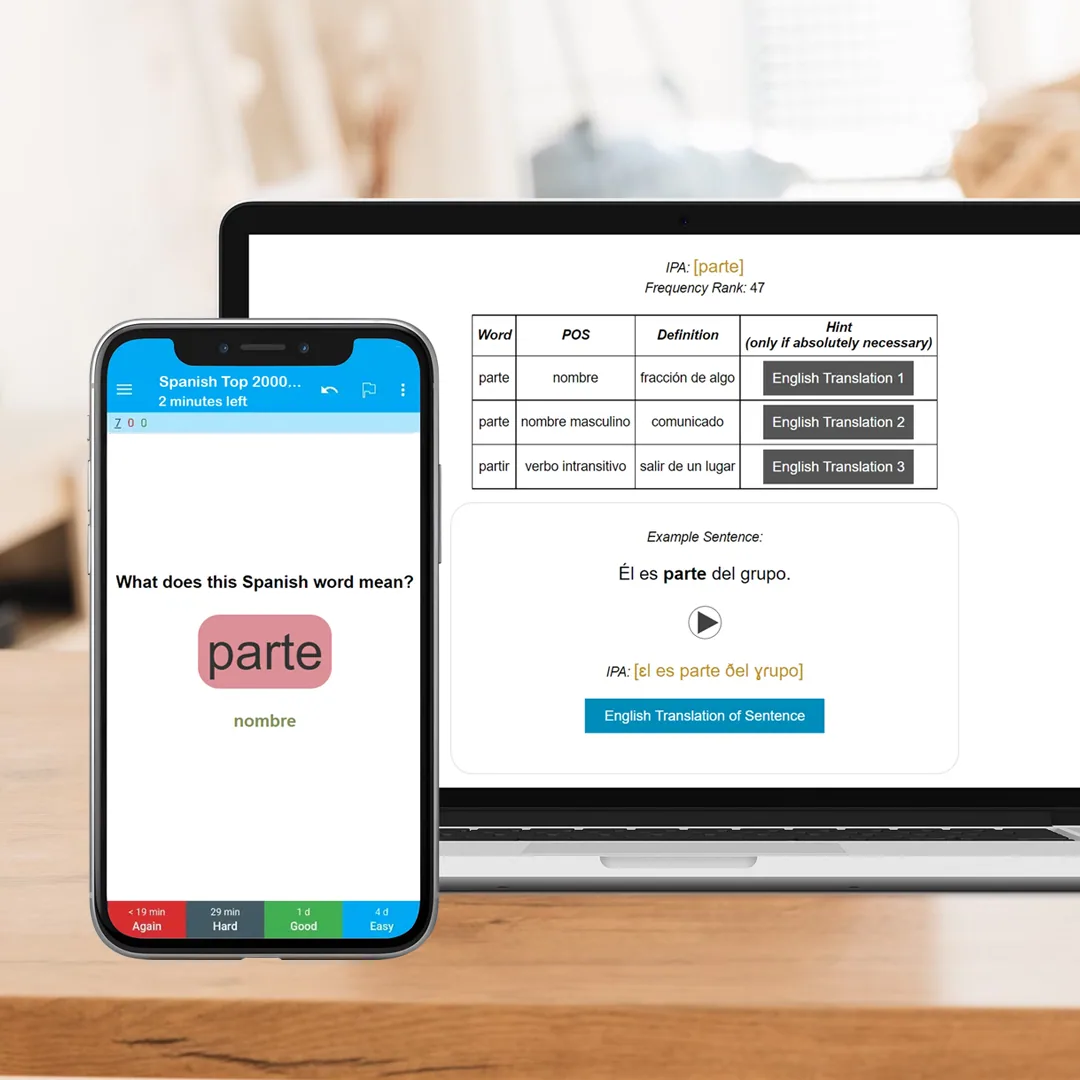
2. Do you know fewer than ~1,000 Spanish words? If yes (and pronunciation is fine) → start with vocabulary. A small set of frequent words does outsized work, and high-frequency Spanish vocab is the highest-leverage thing you can load into Anki. This is where most learners should begin.
3. Do you understand a lot but freeze when you try to build a sentence: ser vs estar, the subjunctive, past tenses? If yes → you’ve hit the intermediate plateau, and more words won’t fix it. Start with grammar.
What each starting point looks like
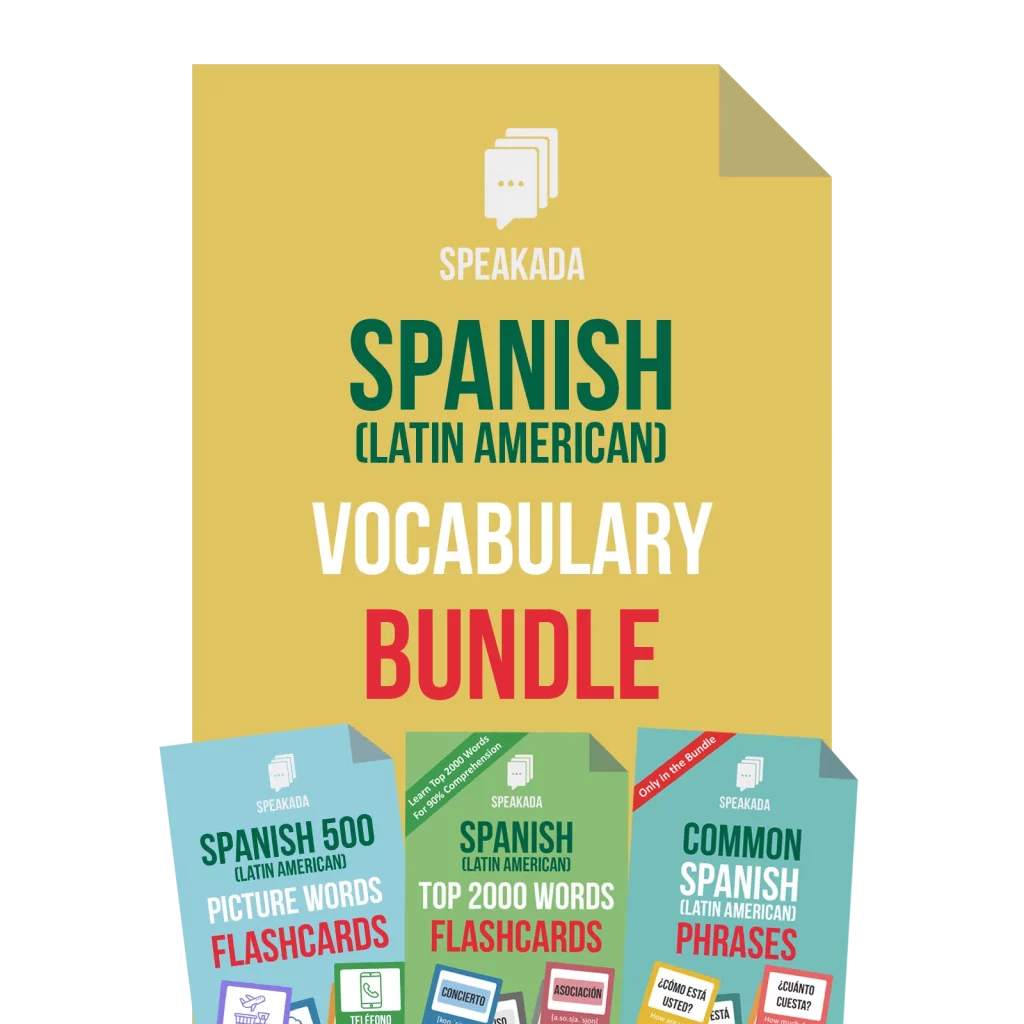
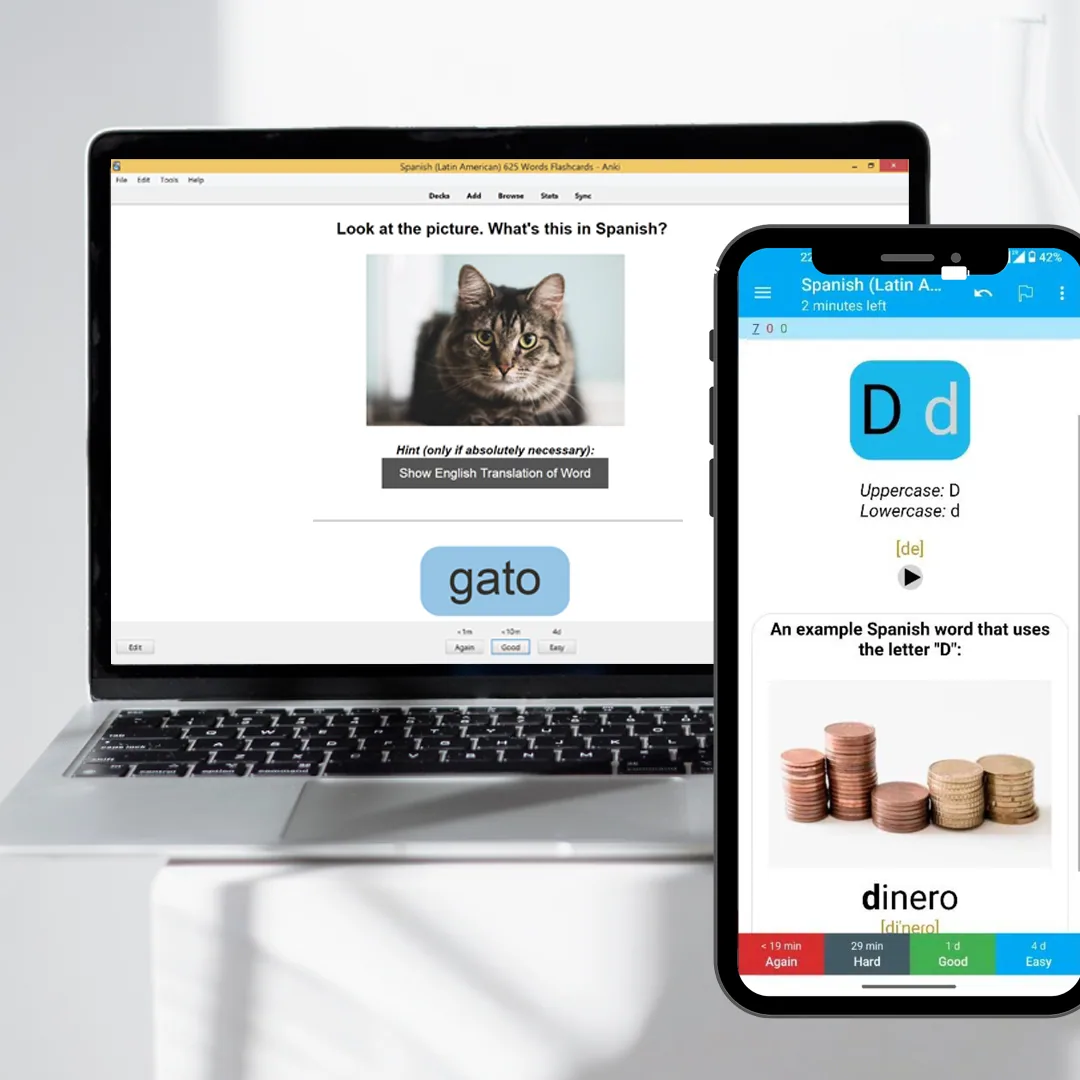
- Vocabulary first (most people). Picture words → the Top 2,000 in frequency order → common phrases. The Spanish Vocabulary Bundle covers exactly that progression. You’ll feel coverage in conversation quickly because you’re learning the words people actually use.
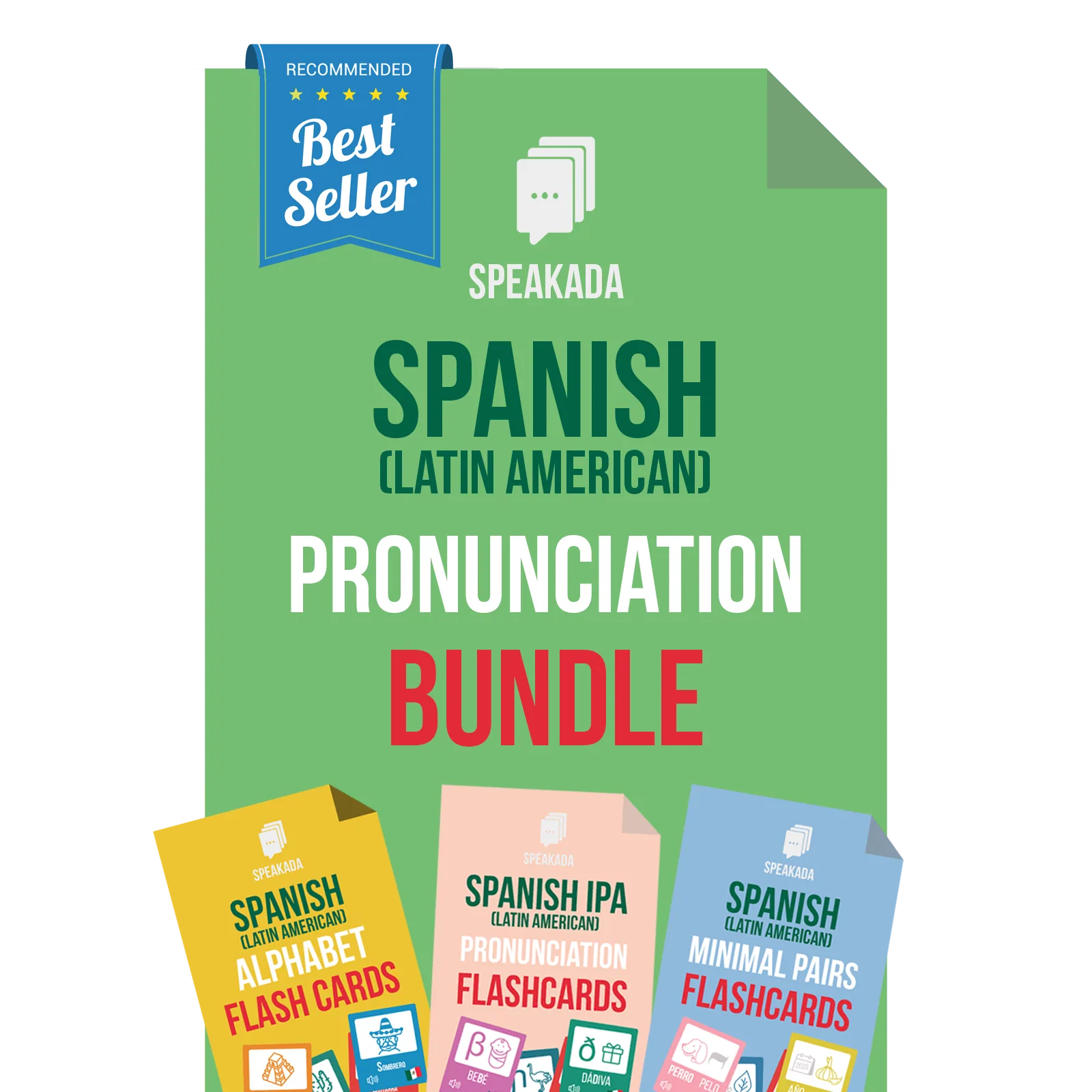
- Pronunciation first (true beginners). Alphabet, IPA, and minimal pairs train your ear before mistakes harden. See the Spanish Pronunciation Bundle.
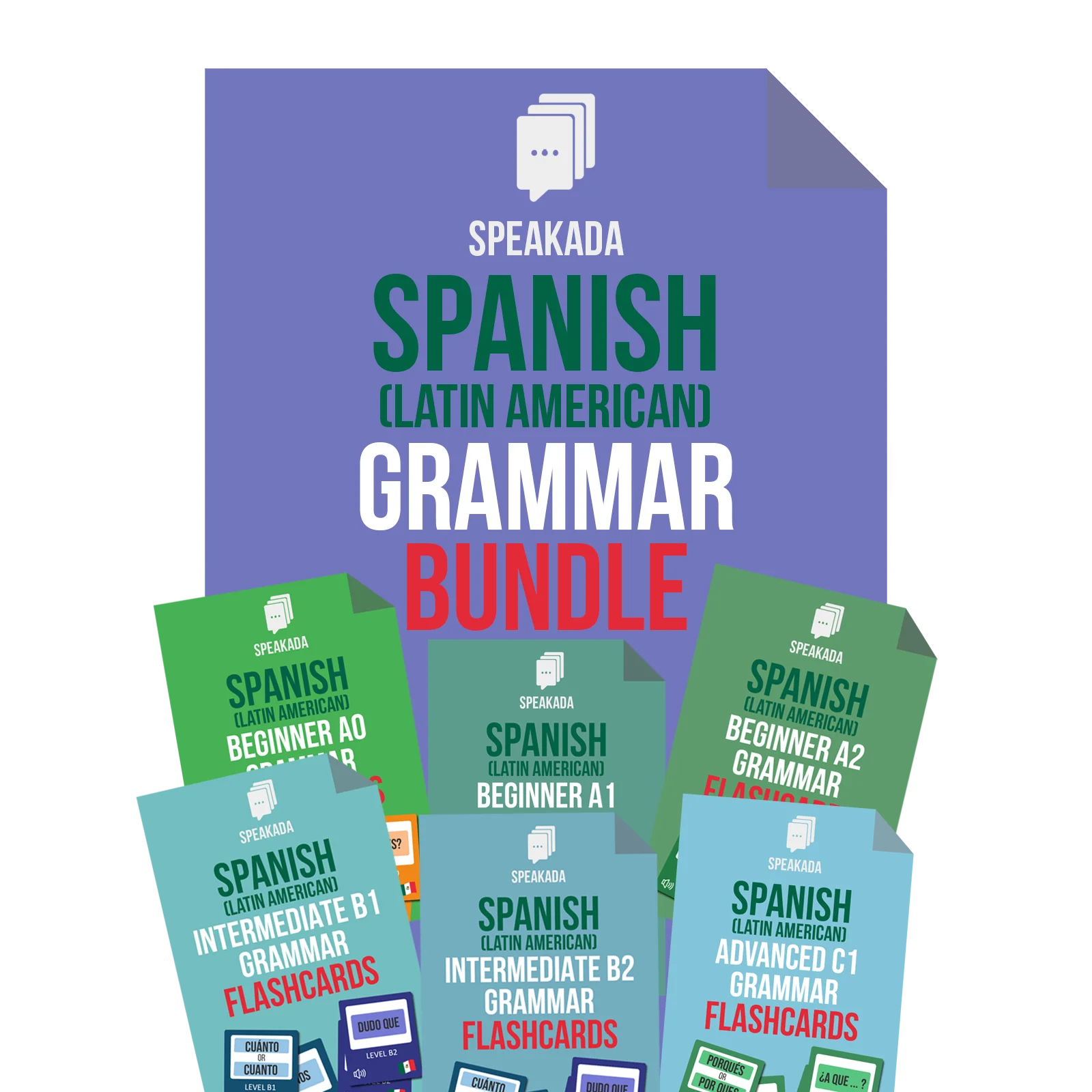
- Grammar (intermediate plateau). A0–C1 structure to turn comprehension into production. The Spanish Grammar Bundle is the next step here.
The $1 way to test the format first
If you’d rather try before committing, the Top 100 Words deck is about a dollar, a quick way to see whether Anki’s format clicks for you before you step up to a full bundle.
Common questions
Pronunciation or vocabulary first for Spanish? If you’re a complete beginner, do both early: pronunciation to build the right sounds, vocabulary for usable coverage. If you can already read aloud comfortably, vocabulary first.
Do I need grammar to start speaking Spanish? Not at the start. Vocabulary plus common phrases gets you communicating; grammar is what breaks the plateau later, once you understand a lot but can’t yet produce it cleanly.
The takeaway
Match the deck to where you are: pronunciation if you can’t read aloud confidently, vocabulary for almost everyone else, grammar if you’ve plateaued, and the $1 Top 100 if you just want to test the waters. Once your deck is chosen, the habits in how to use Anki for Spanish are what make it work.
Still weighing your options? Here’s a rundown of the best Spanish Anki decks and what each one is good for.
Want a weekly, research-based language-learning tip in your inbox? Join SPEAKADA WEEKLY.