The Complete Guide to Language Learning Flashcards: Expert Tutorials That Transform Your Study Sessions
Learning a new language can feel overwhelming, especially when you’re struggling to remember vocabulary that seems to slip away just when you need it most. Recently, one of our new Speakada subscribers reached out with a question that many language learners share: “Do you have any YouTube videos about flashcards for language learning? I’m eager to get started but want some visual guidance first.”
This inquiry perfectly highlights why we’ve created comprehensive video tutorials and resources to help language learners master the art of effective flashcard study. Whether you’re learning Spanish, French, Italian, German, English, Dutch, or Polish, the strategies we’ll cover in this guide will revolutionize your approach to vocabulary acquisition and retention.
Why Flashcards Are Essential for Language Learning Success
Flashcards have been a game-changer for countless language learners, and there’s solid science behind their effectiveness. The combination of active recall and spaced repetition creates a powerful learning system that aligns perfectly with how our brains naturally process and retain information.
Research from Macquarie University in Australia demonstrated that students using spaced repetition systems showed significantly better improvements in their test scores compared to traditional study methods. This isn’t just theory – it’s proven methodology that can accelerate your language learning journey.
The Science Behind Spaced Repetition Systems (SRS)
Spaced repetition works by scheduling flashcard reviews at optimal intervals. When you first learn a new word, you’ll see it again soon to reinforce the memory. If you remember it correctly, the system gradually increases the time between reviews. If you forget it, the word appears more frequently until it sticks.
This approach leverages the psychological spacing effect, discovered through Hermann Ebbinghaus’s research on the forgetting curve. By reviewing information just before you’re likely to forget it, you strengthen neural pathways and improve long-term retention.
Essential Video Tutorials for Flashcard Mastery
We’ve created three comprehensive YouTube tutorials that address the most common questions about flashcard-based language learning:
1. Understanding the Benefits of Flashcards and Spaced Repetition
Our first tutorial explores why flashcards combined with spaced repetition systems are so effective for memorizing vocabulary. You’ll learn how these techniques work with your brain’s natural learning processes and discover why many polyglots and language experts rely on this method.
The video covers:
-
How spaced repetition overcomes the forgetting curve
-
Why flashcards are more effective than traditional vocabulary lists
-
Research-backed evidence supporting flashcard methodology
-
How to determine optimal vocabulary goals for your language level
2. Creating Basic Flashcards with Anki (Free Method)
This tutorial walks you through the process of making your first language learning flashcards using Anki, a powerful open-source spaced repetition application. You’ll discover how to transform the principles from the renowned “Fluent Forever” method into practical, actionable flashcard creation.
Key topics include:
-
Downloading and setting up Anki on your device
-
Creating effective front and back card designs
-
Implementing pronunciation practice with audio flashcards
-
Organizing your flashcard decks for maximum efficiency
3. Visual Flashcards and the Power of Pictures
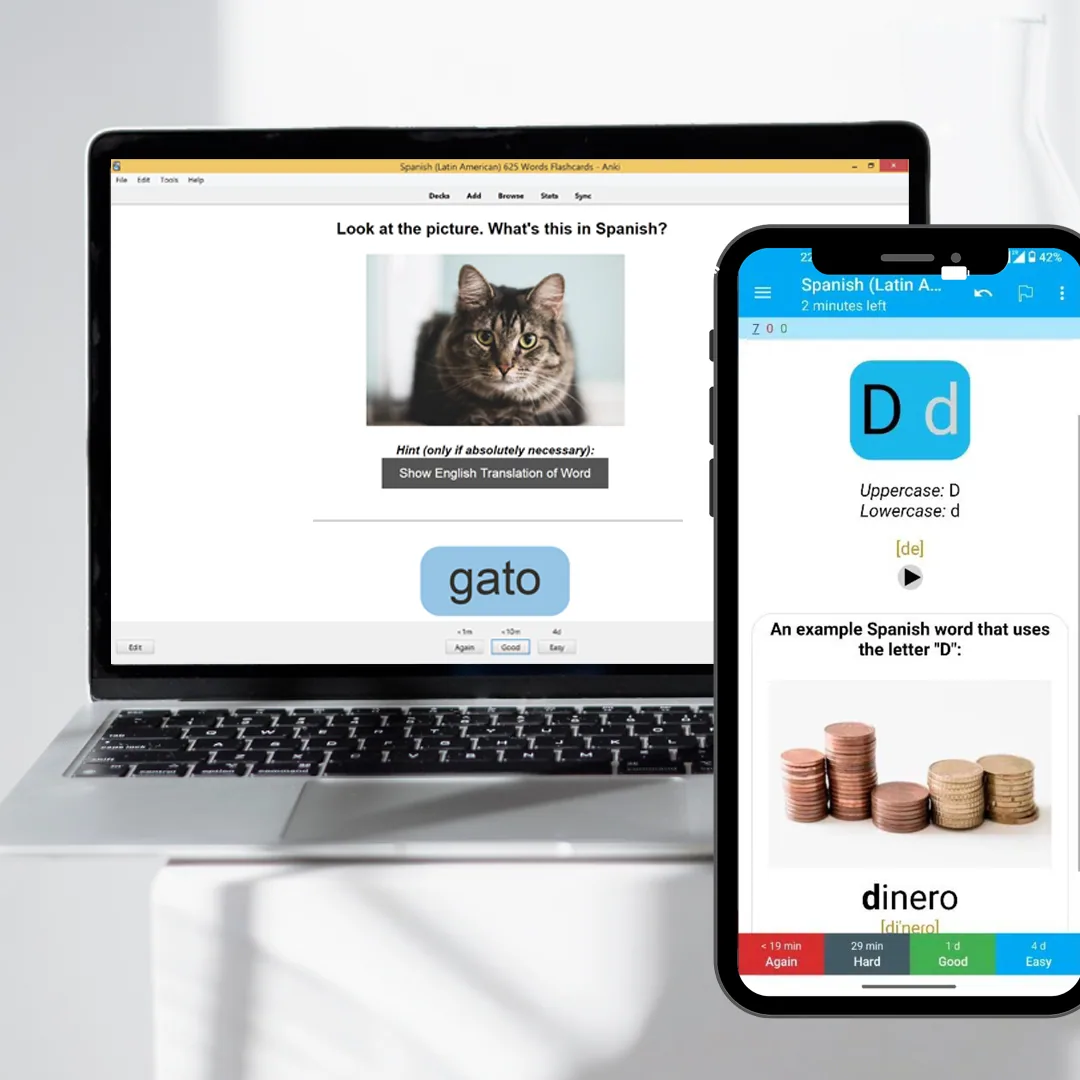
Visual learning can dramatically improve vocabulary retention. This tutorial demonstrates how to incorporate images into your flashcards, leveraging the dual coding theory to enhance memory formation through both visual and verbal pathways.
You’ll learn:
-
Why pictures make vocabulary more memorable
-
How to find and use images effectively in flashcards
-
Techniques for avoiding translation dependence
-
Creating personalized visual associations
Advanced Flashcard Strategies for Different Learning Styles
Pronunciation Flashcards: Master Sound Systems
Proper pronunciation is crucial for effective communication, yet it’s often overlooked in traditional language courses. Our pronunciation flashcards break down into three essential categories:
Alphabet Flashcards: Master the basic sound system of your target language, ensuring you can pronounce individual letters and letter combinations correctly.
IPA (International Phonetic Alphabet) Flashcards: Learn precise pronunciation using standardized phonetic symbols, helping you understand exactly how to position your tongue, lips, and vocal cords.
Minimal Pairs Flashcards: Practice distinguishing between similar sounds that native speakers differentiate but learners often confuse.
Vocabulary Flashcards: Build Your Word Power
Effective vocabulary acquisition requires strategic focus on high-frequency words. Research shows that knowing approximately 2,000 of the most common words in a language allows you to understand 90% of most authentic texts.
Our vocabulary flashcard system includes:
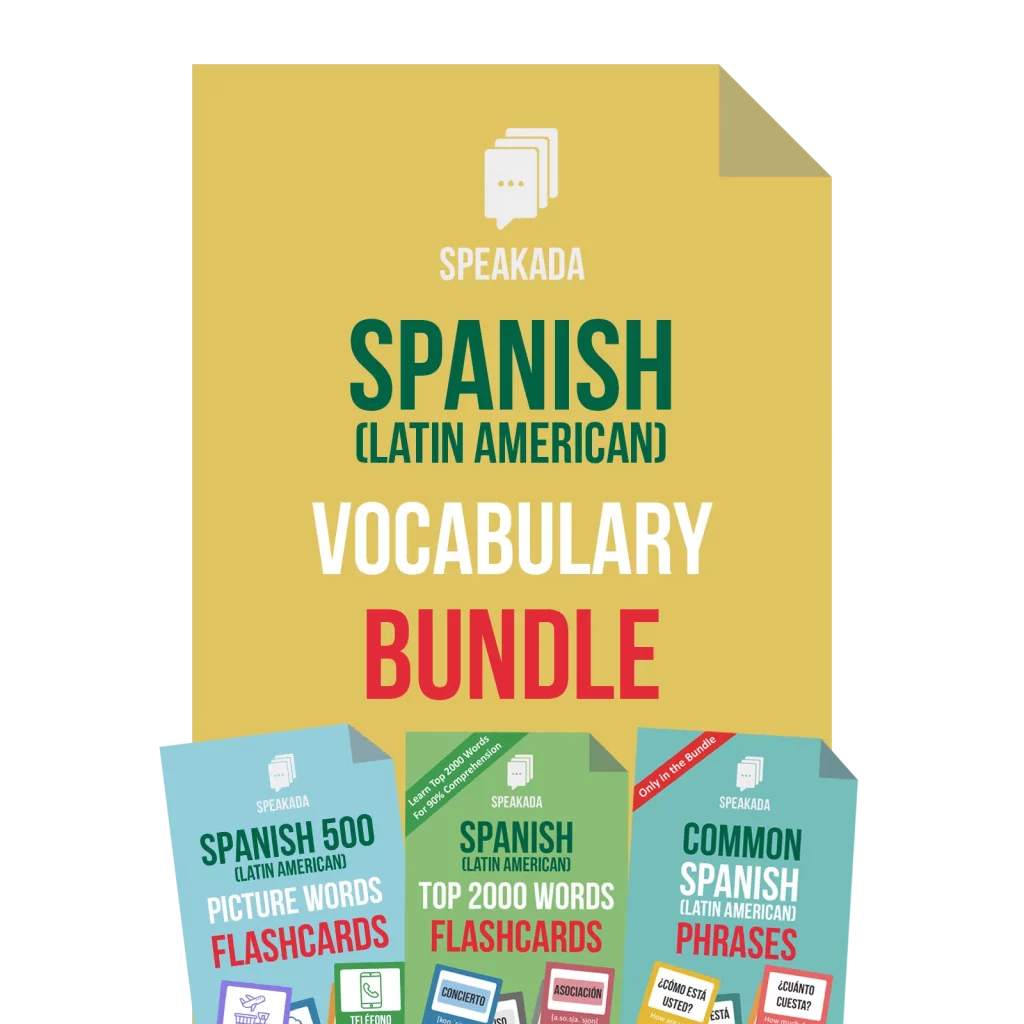
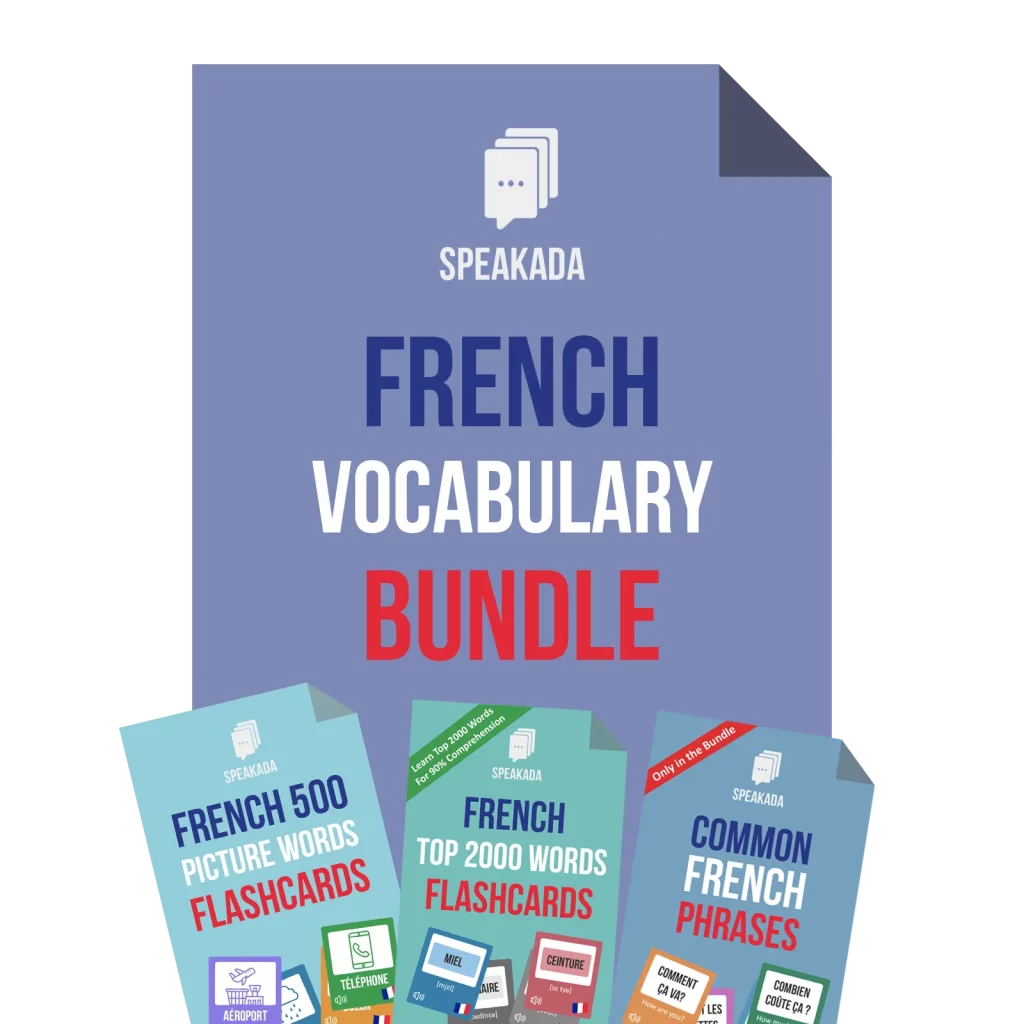
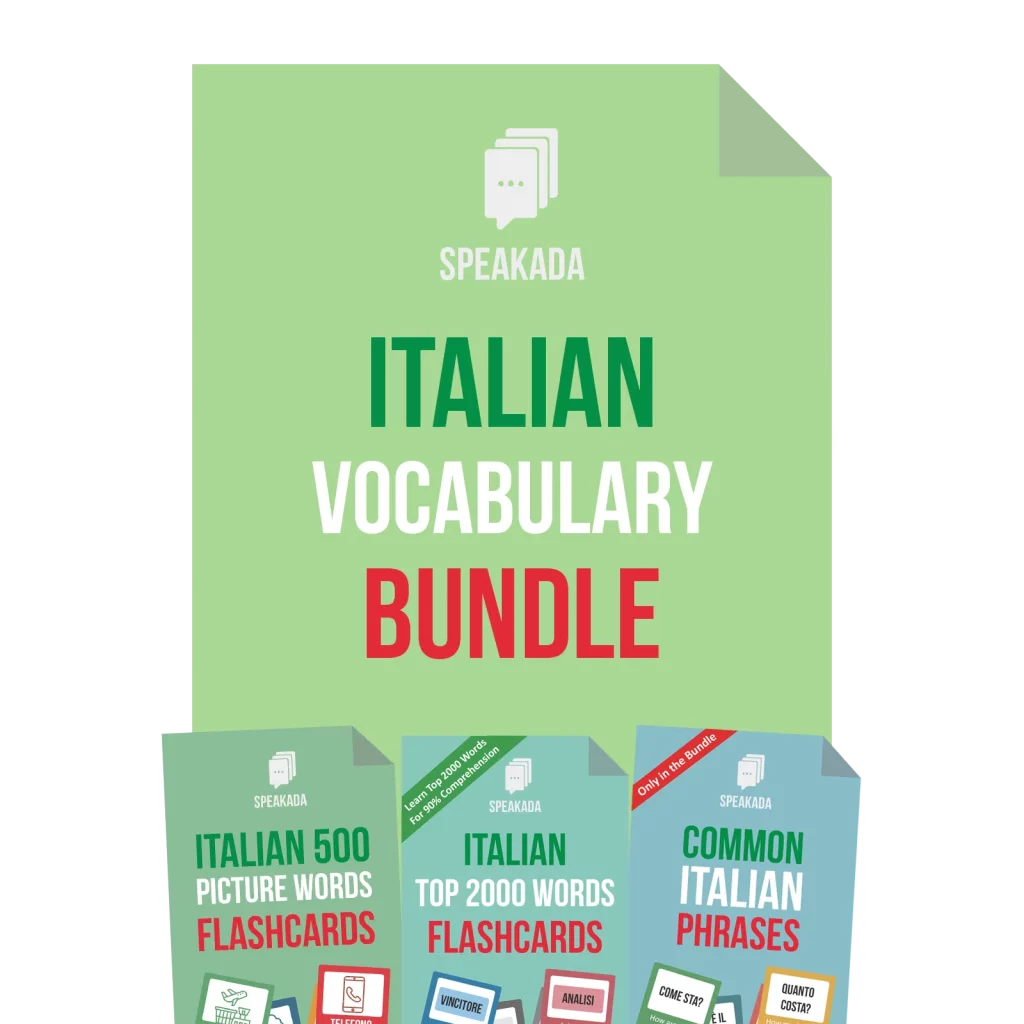
500 Picture Words: Essential nouns that can be easily represented visually, helping you avoid translation dependence while building core vocabulary.
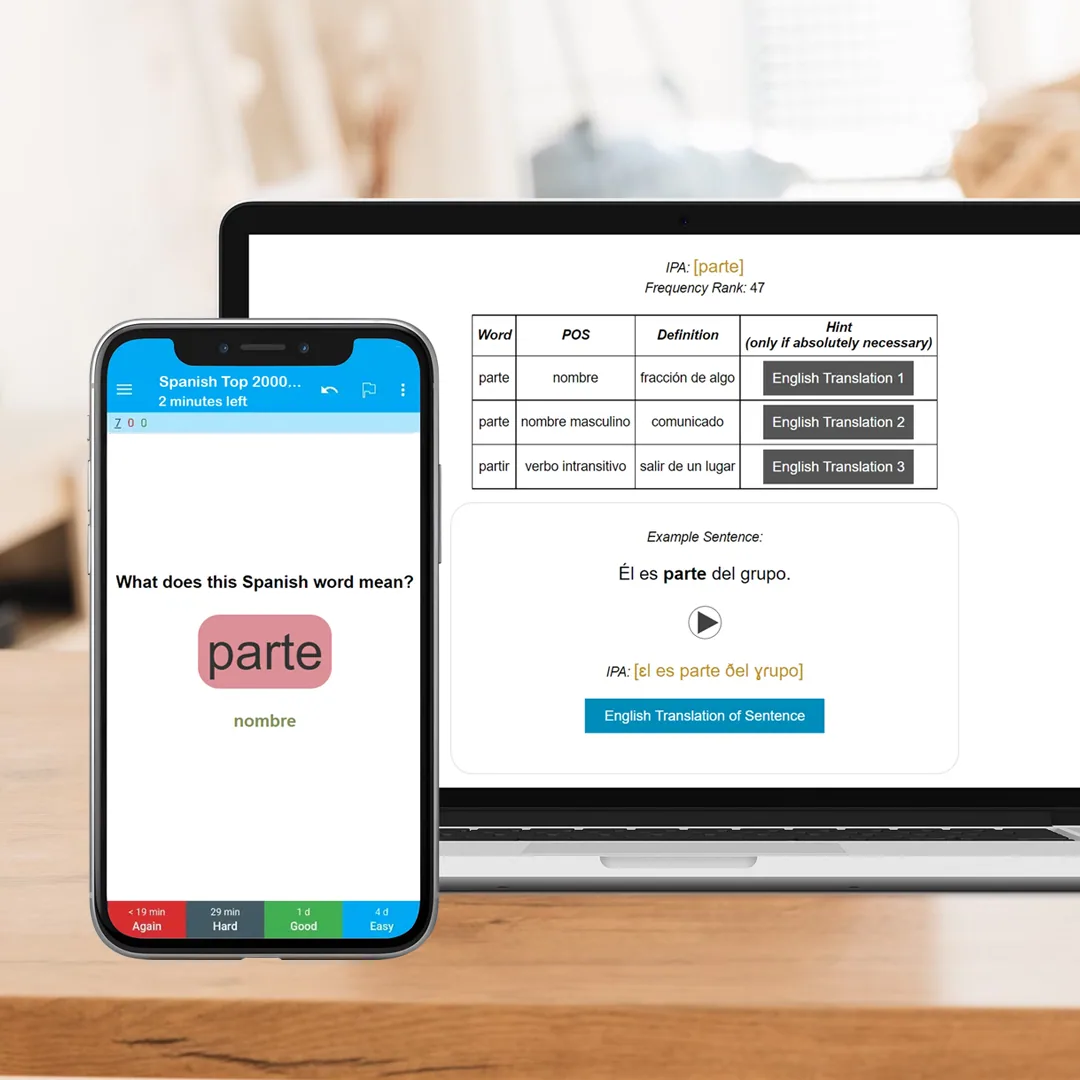
Top 2000 Words: The most frequently used words in your target language, prioritized by frequency to maximize your comprehension quickly.
Common Phrases: Ready-to-use expressions and collocations that native speakers use daily.
Grammar Flashcards: Structure Your Understanding
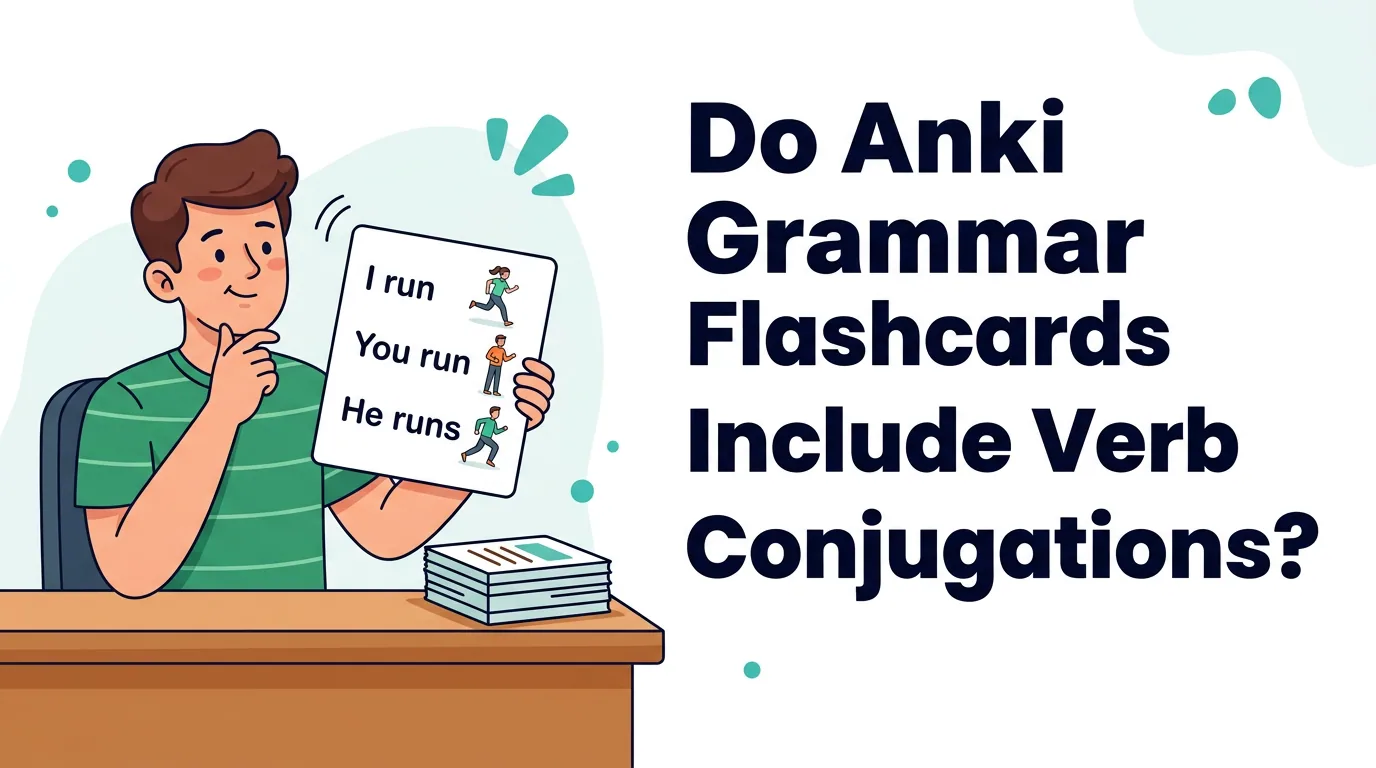
Grammar doesn’t have to be boring or overwhelming. Our grammar flashcards are organized by CEFR levels (A0 to C1), allowing you to progress systematically through increasingly complex structures.
Each grammar flashcard focuses on:
-
Sentence patterns and word order
-
Verb conjugations and tenses
-
Fill-in-the-blank exercises for active practice
-
Context-rich examples from authentic materials
Maximizing Your Flashcard Efficiency
Setting Realistic Goals
While adult native speakers typically know 10,000-20,000 words in their language, aiming for native-level vocabulary isn’t necessary for most learners. A more practical approach focuses on high-frequency vocabulary that provides the greatest return on your time investment.
For basic conversational fluency, target these milestones:
-
Beginner (A1-A2): 1,000-2,000 most common words
-
Intermediate (B1-B2): 3,000-5,000 words including specialized vocabulary
-
Advanced (C1-C2): 5,000+ words with nuanced understanding
Balancing Flashcards with Other Learning Methods
While flashcards excel at vocabulary retention and grammar pattern recognition, they work best as part of a comprehensive learning approach. Combine flashcard study with:
-
Reading authentic materials in your target language
-
Listening to podcasts, music, and videos for exposure to natural speech patterns
-
Speaking practice with native speakers or language exchange partners
-
Writing exercises to practice active production
Creating Effective Study Routines
Consistency trumps intensity when it comes to flashcard study. Rather than marathon study sessions, aim for:
-
Daily review sessions of 15-30 minutes
-
Mobile study during commutes or waiting periods
-
Regular deck maintenance to remove mastered cards and add new challenges
-
Progress tracking to maintain motivation and identify areas needing focus
Overcoming Common Flashcard Challenges
Making Abstract Words Memorable
Not all vocabulary can be easily represented with pictures. For abstract concepts like “justice” or “freedom,” try these strategies:
-
Personal associations: Connect the word to personal experiences or beliefs
-
Example sentences: Use the word in meaningful contexts you can relate to
-
Metaphorical images: Find symbolic representations that capture the concept’s essence
-
Story creation: Develop memorable narratives incorporating the abstract term
Avoiding Flashcard Burnout
Some learners find flashcards monotonous over time. Combat fatigue by:
-
Varying card types: Mix vocabulary, grammar, and pronunciation cards
-
Adding multimedia: Incorporate audio, images, and even short video clips
-
Gamification: Set up reward systems for reaching study milestones
-
Social elements: Share progress with fellow learners or join online communities
Your Next Steps: From Beginner to Confident Speaker
Whether you’re just starting your language learning journey or looking to optimize your current study routine, these flashcard strategies provide a proven path to vocabulary mastery and grammatical understanding.
Remember that every expert was once a beginner, and every flashcard review brings you one step closer to fluency. The key is consistency, patience, and smart study strategies that work with your brain’s natural learning processes.
Ready to transform your language learning experience? Start by implementing one technique from this guide today. Choose the approach that resonates most with your learning style, and gradually incorporate additional strategies as you build confidence and momentum.
Want more expert tips and smart language learning strategies? Subscribe to the SPEAKADA WEEKLY newsletter for exclusive insights, free resources, and advanced techniques that will accelerate your progress. Our weekly tips are designed specifically for learners using Anki flashcards and spaced repetition systems, giving you the edge you need to achieve your language goals faster.
Join thousands of successful language learners who rely on our proven methods to master Spanish, French, Italian, German, English, Dutch, and Polish. Your future fluent self will thank you for taking action today.
Matthew Alberto is a language learning expert and co-founder of Speakada. His expertise with Anki flashcards led him to work as the flashcard specialist for Fluent Forever alongside bestselling author Gabriel Wyner. He continues to develop innovative language learning tools and has successfully learned Spanish, Mandarin Chinese, and French using the techniques shared in this guide.