Is Speakada's Flashcard Audio Native Speaker or AI? The Honest Answer
Short answer: Speakada’s flashcard audio is high-quality synthesized (AI-generated) audio, reviewed by native speakers for accuracy - not a live human recording on every single card. We used to describe it in a way that implied otherwise, and we’ve corrected that. Here’s why we think the current approach actually serves learners better, not just cheaper.
Is Speakada’s audio a real native speaker or AI-generated?
It’s synthesized audio, checked by native speakers for pronunciation, stress, and naturalness before it ships. That’s the direct answer to a question we get asked before purchase more often than you’d think - most recently by a Polish learner who asked us outright rather than assuming either way, which is exactly the right instinct for an analytical buyer.
Why not just use human voice recordings for everything?
A Speakada vocabulary or grammar deck can run into the thousands of cards, across seven languages. Booking a native voice actor to record every single word, sentence, and grammar example at that scale isn’t only expensive - it introduces inconsistency: different pacing, different microphone setups, different recording sessions months apart, sometimes even a different voice partway through a deck if the original actor becomes unavailable.
For a spaced-repetition system specifically, that inconsistency is a bigger problem than it sounds. Part of what makes a flashcard an effective retrieval cue is that it’s stable - you’re building a memory association with that card, and a card that sounds different every time you see it is a weaker, noisier cue than one that’s exactly the same every time.
High-quality, consistent synthesized audio can actually serve the memory mechanics of a spaced-repetition deck better than a patchwork of live recordings collected over years would.
Does “synthesized” mean “unreviewed”?
No. Every language’s audio is checked by native speakers for accuracy before release - we’re not treating a raw text-to-speech output as good enough on its own. The review step is what keeps “synthesized” from meaning “approximate.”
What’s the actual precision tool, then?
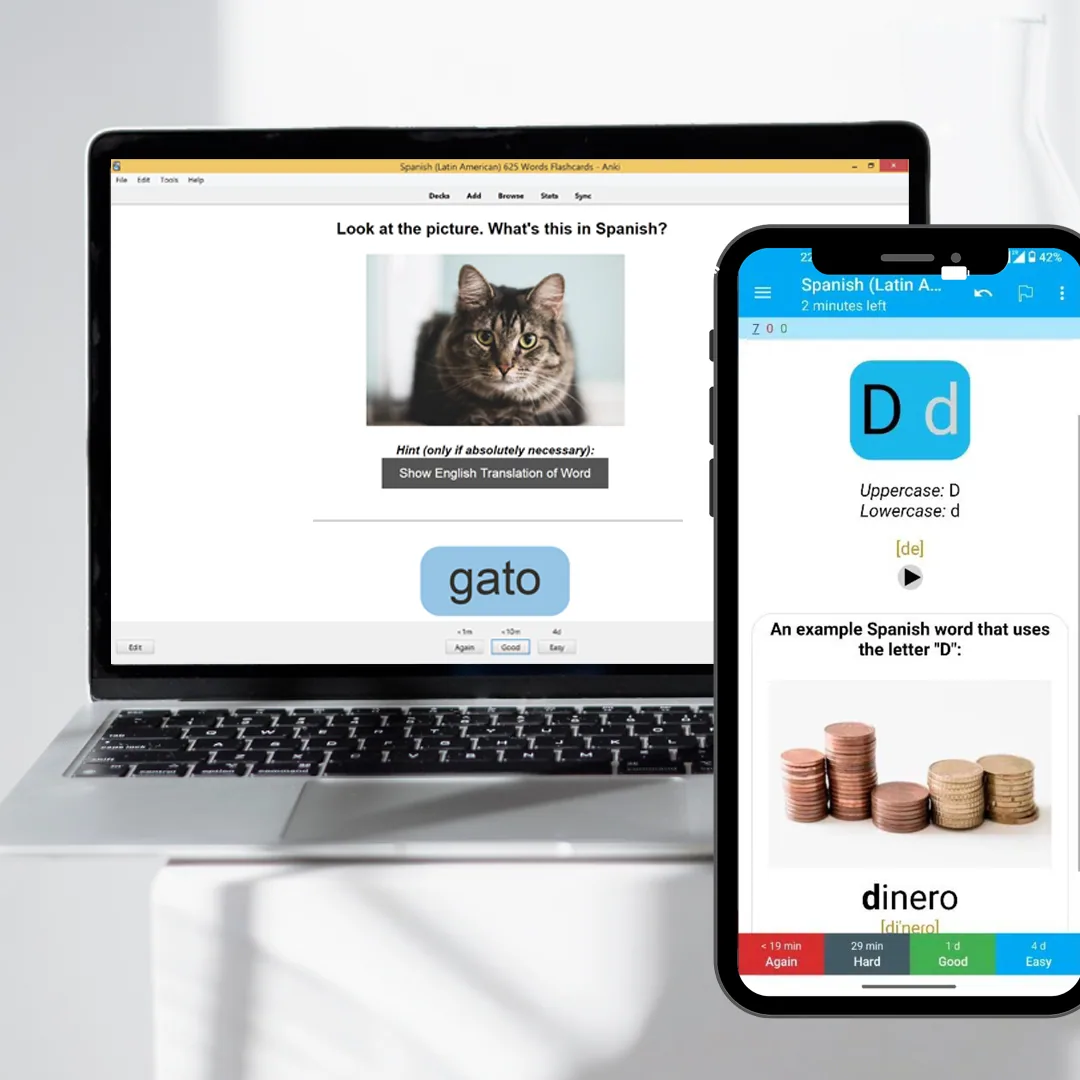
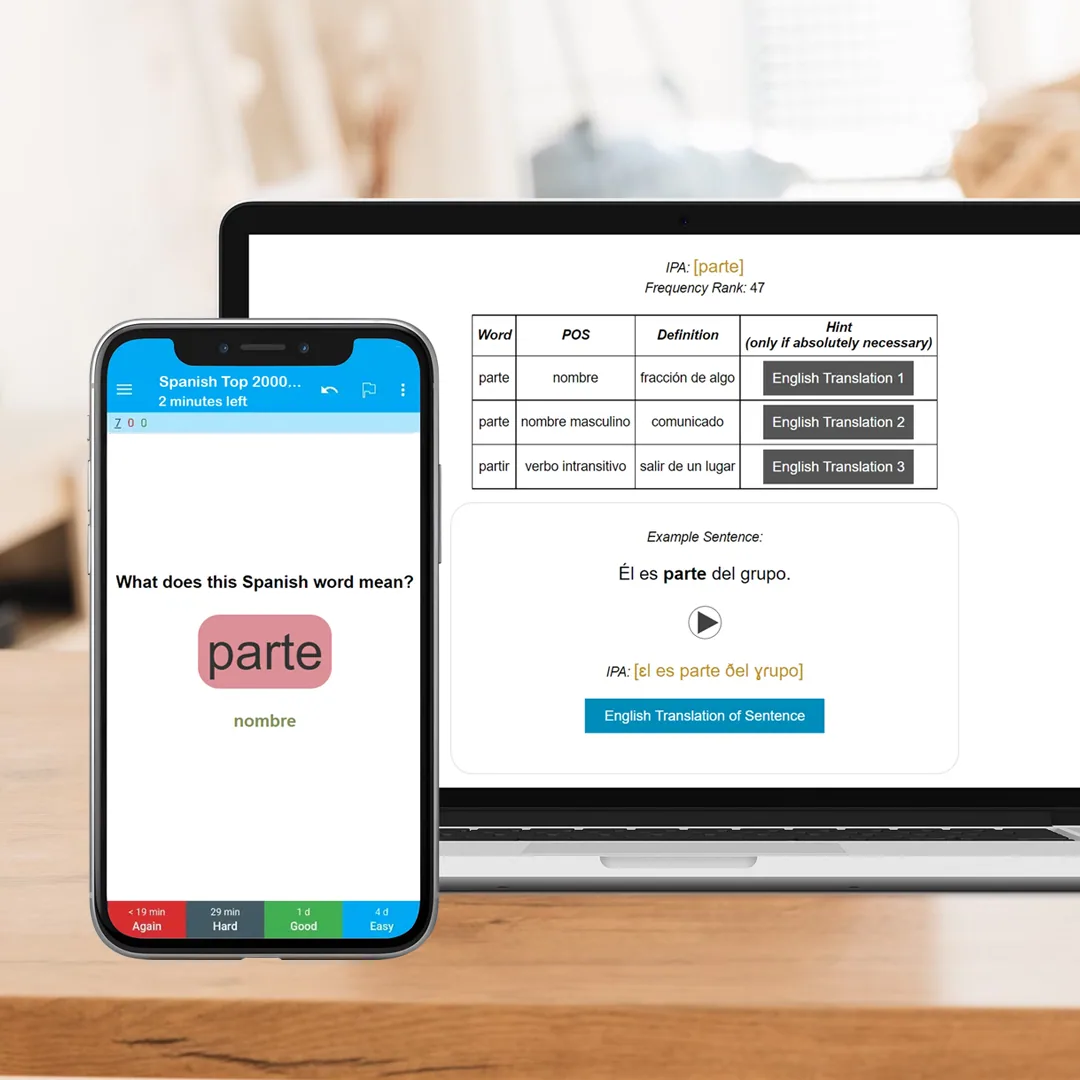
Audio, on its own - synthesized or human - only tells you what a word sounds like once, at the speed and accent of that one clip. The IPA (International Phonetic Alphabet) transcription on every Speakada card is the more precise anchor: it tells you exactly which sounds you’re supposed to be producing, symbol by symbol, every single time you look at the card, independent of how any one audio clip happened to sound in the moment.
Used together, audio plus IPA is a more reliable pronunciation signal than either alone. If a word’s pronunciation genuinely isn’t landing for you, the fastest fix usually isn’t relistening to the audio on loop - it’s looking at the IPA at the same time and identifying the specific symbol you’re actually getting wrong.
Does this affect minimal pairs training?
Minimal pairs - near-identical sound contrasts like the vowels that trip up many English learners, or the French u vs ou - depend on precise, consistent articulation of the contrast being trained. Consistency is exactly what synthesized audio is well-suited for: the same two sounds, produced the same way, every time you review the pair, so you’re training your ear against a stable contrast rather than natural human variation that could blur the very distinction you’re trying to learn.
The bottom line
If audio authenticity matters to you before you buy - and for a lot of serious learners it does - you deserve the direct answer rather than a marketing implication. Speakada’s audio is synthesized, native-reviewed, and paired with IPA on every card as the real precision anchor. That’s true across every language we offer: Spanish, French, Italian, German, Dutch, Polish, and English.
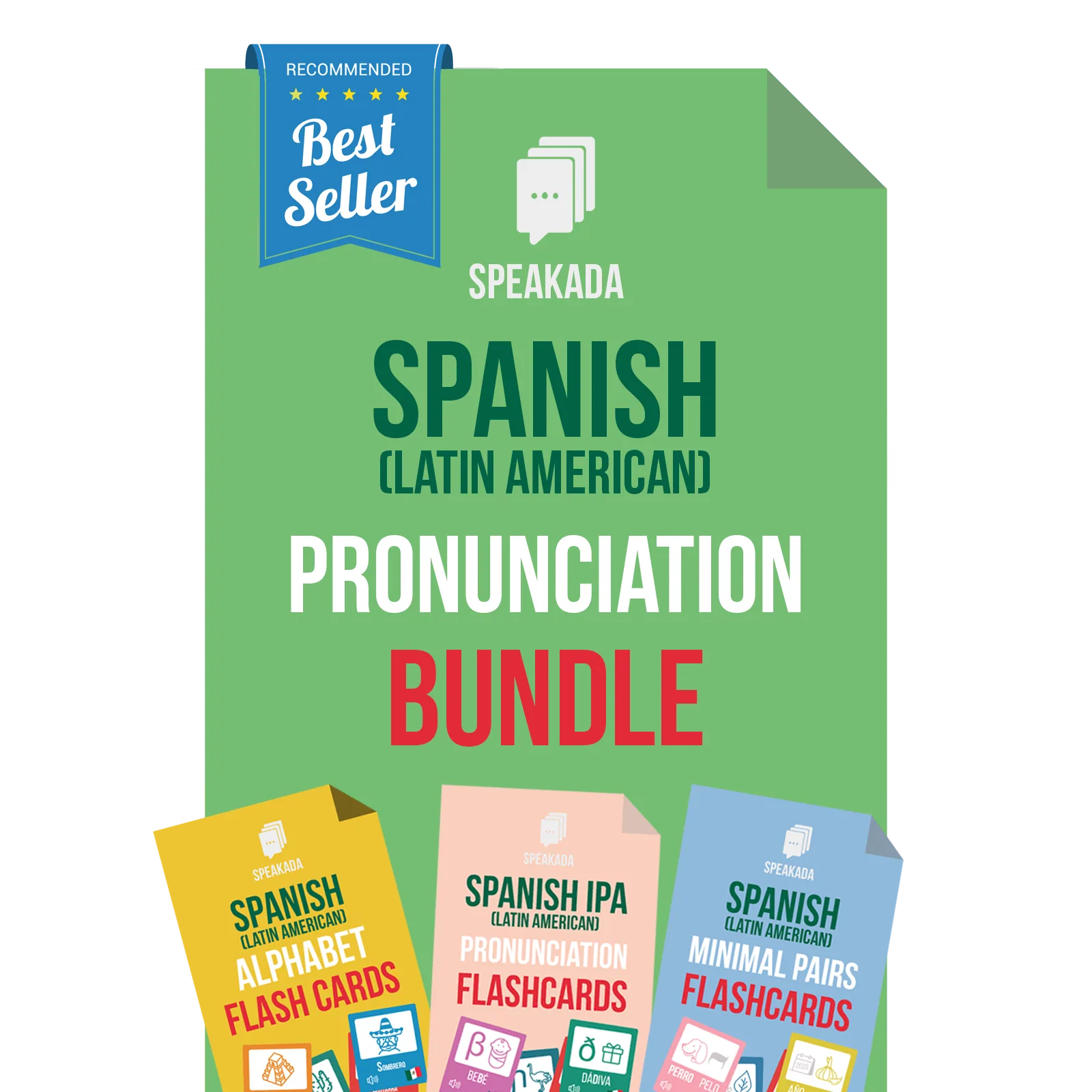
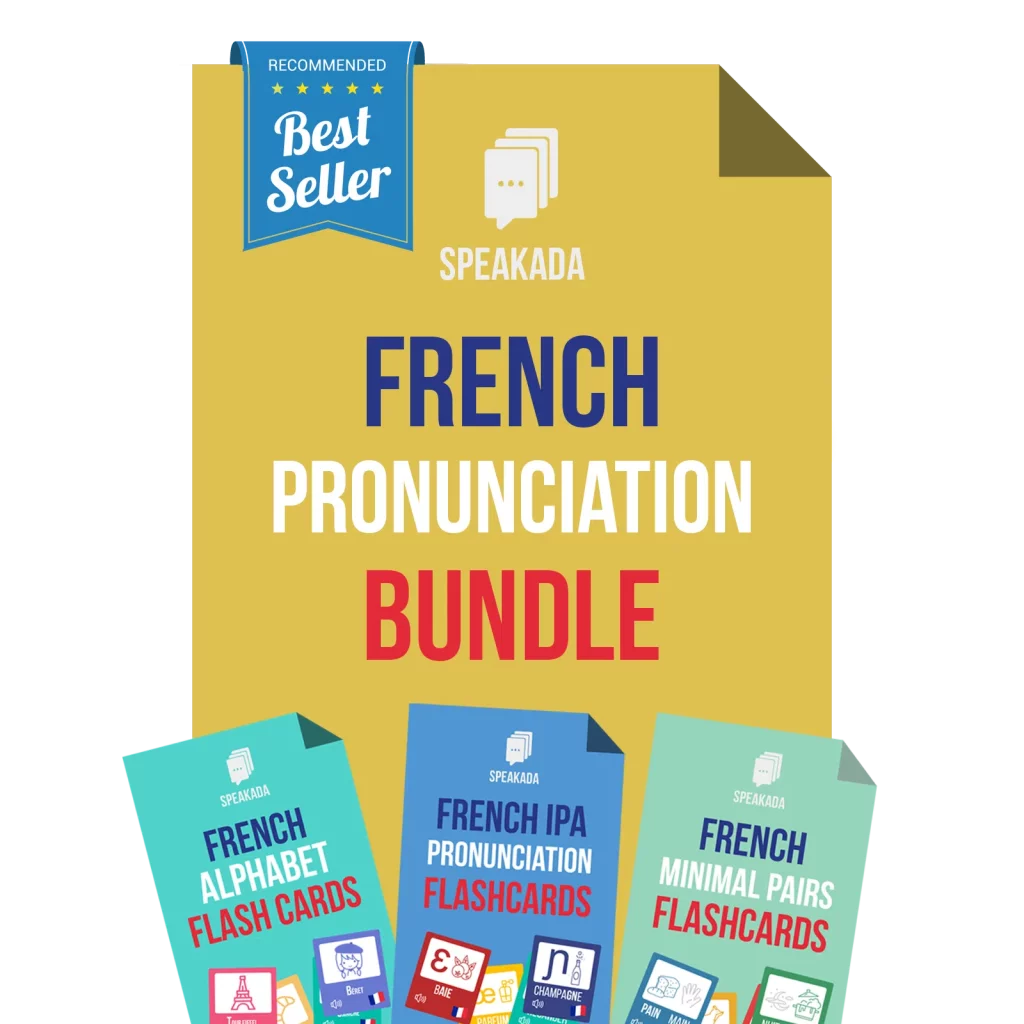
If pronunciation is where you’re stuck, a Pronunciation Flashcards deck pairs that consistent audio with IPA and minimal-pairs training in one place, so you’re not relying on your ear alone to catch a contrast your first language never taught you to hear.
Want more of this kind of direct, no-spin product and method breakdown? Subscribe to Speakada Weekly for one practical email a week.