Is Anki Still Worth It When ChatGPT Exists? The Surprising Truth About AI and Language Learning
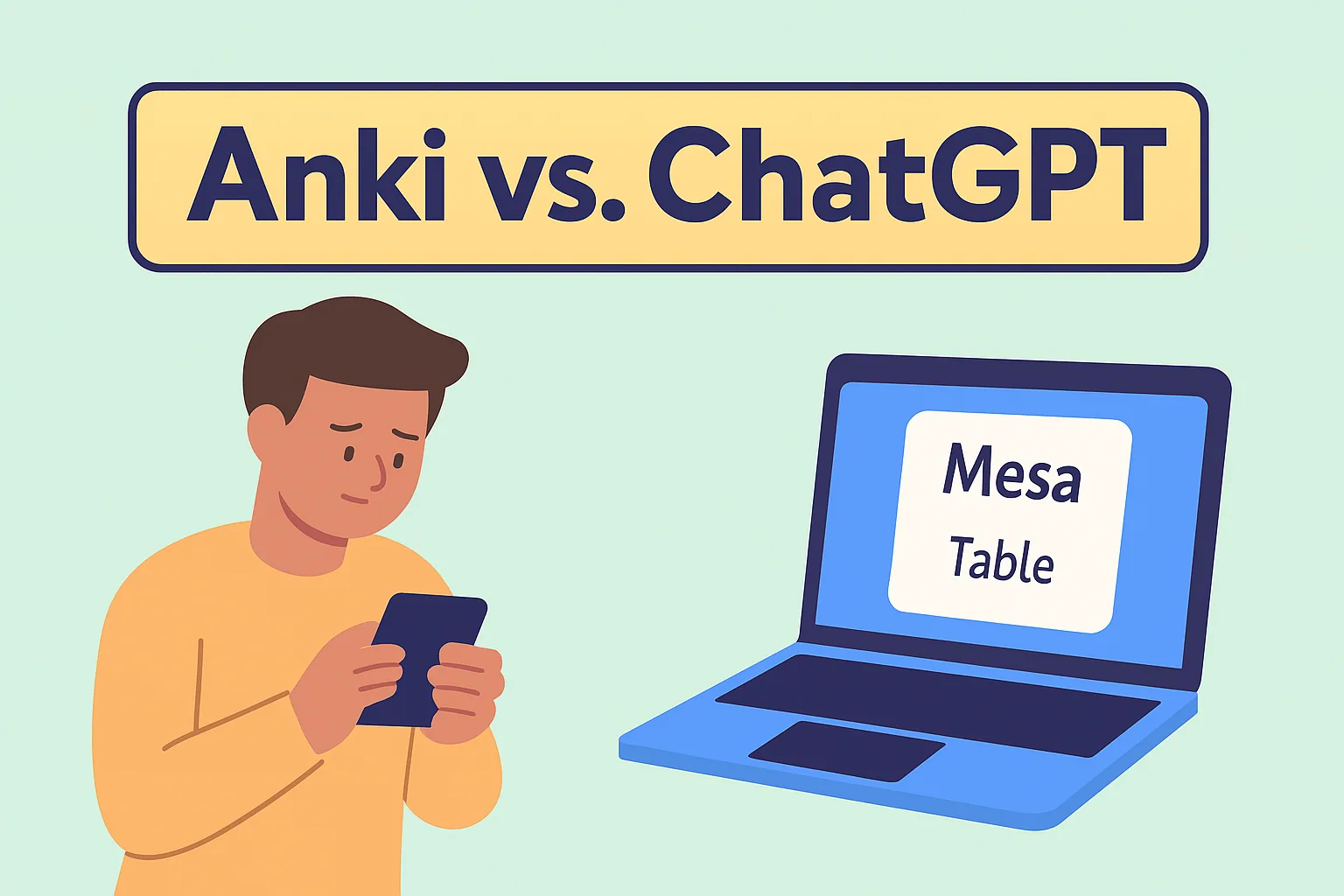
With artificial intelligence transforming how we learn languages, many students are questioning whether traditional methods like Anki flashcards still have a place in modern language learning. The rise of ChatGPT, Google Translate, and other AI translation tools has led to a common question: “Why should I memorize vocabulary when AI can translate anything instantly?”
This is a legitimate concern that deserves a thoughtful answer. After all, if we can get instant translations and explanations from AI, why invest time in spaced repetition and flashcard systems like Anki?
The answer might surprise you: AI is actually making spaced repetition more important, not less important.
The AI Translation Paradox in Language Learning
Let’s examine what AI can and cannot do for language learners. Modern AI tools like ChatGPT excel at providing instant translations. They can convert “Ich hätte gern einen Kaffee” to “I’d like a coffee” in milliseconds. They can explain grammar rules, provide cultural context, and even generate practice sentences.
However, there’s a critical gap between having information available and having it readily accessible in your mind during real conversations.
What AI Cannot Do for Your Brain
AI translation tools cannot:
-
Create automatic recall: Make German phrases pop into your head naturally when you need them in a Berlin café
-
Develop listening comprehension: Help you recognize phrases when native speakers say them quickly in natural conversation
-
Build confidence: Give you the assurance to use vocabulary naturally without hesitation or second-guessing
-
Establish neural pathways: Physically rewire your brain to make foreign language patterns feel automatic
AI provides information on demand. Spaced repetition creates instant recall from memory. In real-world language use, the difference is everything.
The Neuroscience Behind Memory Formation and Language Learning
Recent neuroscience research reveals why the traditional approach of spaced repetition remains irreplaceable, even in our AI-enhanced world. When you actively retrieve information from memory, exactly what happens when you use Anki flashcards, you’re literally strengthening neural pathways in your brain.
Each time you successfully recall that “la mesa” means “table” or remember how to conjugate “avoir” in French, you’re reinforcing the neural connections that make that language feel more natural and automatic.
The Retrieval Practice Effect
This process, known as the “retrieval practice effect,” cannot be replicated by passive consumption of AI-generated content. Your brain needs to actively work to recall information to create lasting memories. This is why reading translations from ChatGPT doesn’t create the same long-term retention as successfully retrieving vocabulary from your own memory.
Think about your native language. You don’t pause mid-sentence to look up words or check grammar rules. That fluency comes from thousands of neural pathways that have been strengthened through repeated use and retrieval. The same process applies to foreign language acquisition.
Strategic Combination: AI-Enhanced Spaced Repetition
The most effective language learners in 2025 aren’t choosing between AI and traditional methods. They’re combining them strategically. Each tool serves a distinct purpose in the language learning ecosystem.
The Optimal Learning Framework
AI for exploration and explanation:
-
Complex grammar explanations and cultural context
-
Generating practice sentences and conversation scenarios
-
Instant translations for unfamiliar content
-
Providing feedback on writing and speaking practice
Spaced repetition for permanent retention:
-
Core vocabulary that needs instant recall
-
Essential grammar patterns and conjugations
-
Pronunciation training for accurate speech production
-
Building automaticity in fundamental language structures
This hybrid approach leverages the strengths of both technologies while addressing their individual limitations.
The Unchanging 80/20 Rule in Language Learning
Research consistently demonstrates that approximately 80% of any language consists of 2,000-3,000 core words and phrases. Master this foundation through spaced repetition, and you’ll understand the majority of conversations in your target language.
AI tools excel at handling the remaining 20%: specialized vocabulary, cultural nuances, complex explanations, and domain-specific content that you encounter less frequently.
Why Core Vocabulary Needs Long-Term Memory
The foundational 80% of any language needs to reside in your long-term memory for instant access. When someone asks “Comment allez-vous?” in French, you need “Ça va bien, merci” to flow automatically, not after consulting an AI translator.
This is where Anki flashcards and spaced repetition algorithms prove their enduring value. They systematically move essential vocabulary and grammar patterns from short-term recognition to long-term, automatic recall.
Modern Enhancements to Traditional Spaced Repetition
While the core principles of spaced repetition remain scientifically sound, modern language learning tools are enhancing traditional flashcard methods with AI-powered features.
Advanced Features in Contemporary Language Learning
Today’s sophisticated language learning platforms combine proven spaced repetition algorithms with:
-
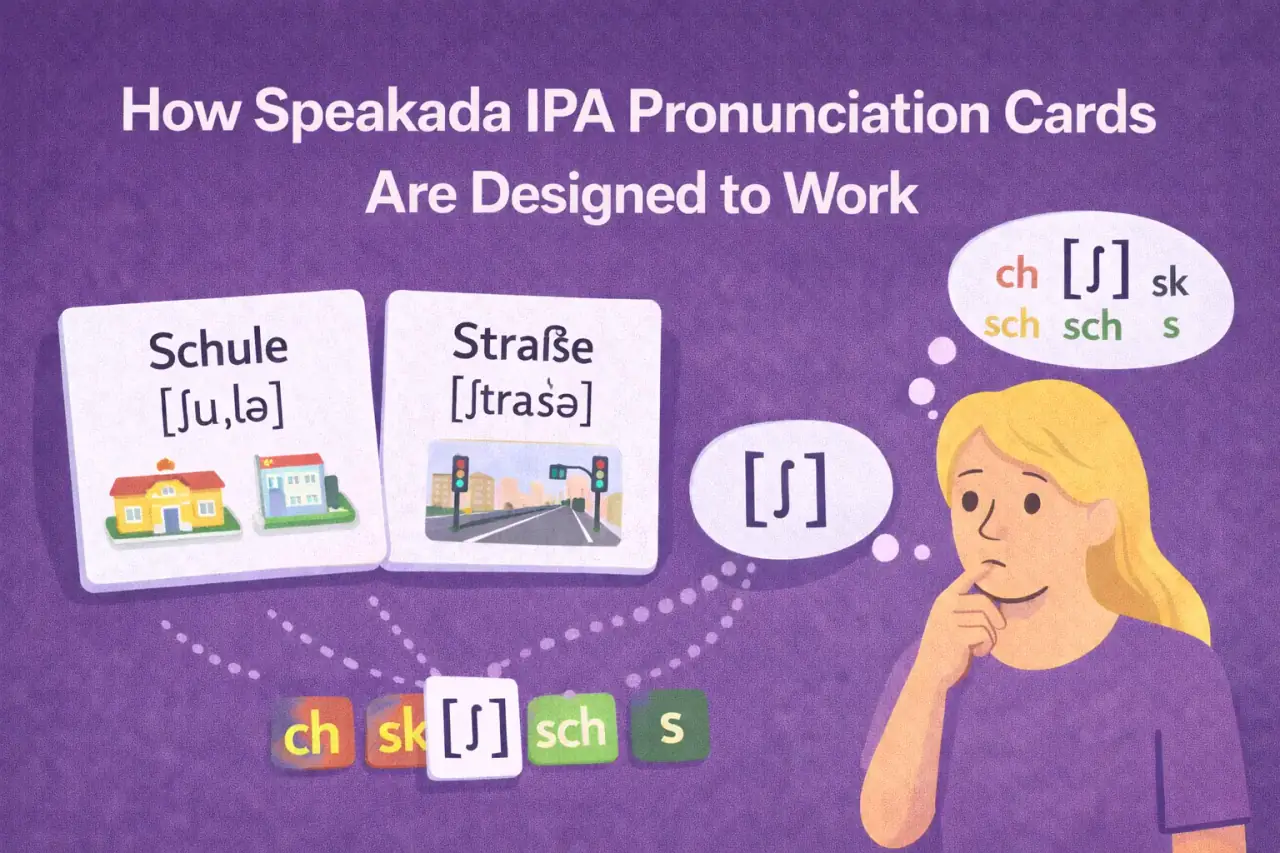
Pronunciation feedback systems that catch subtle mistakes AI translation often misses
-
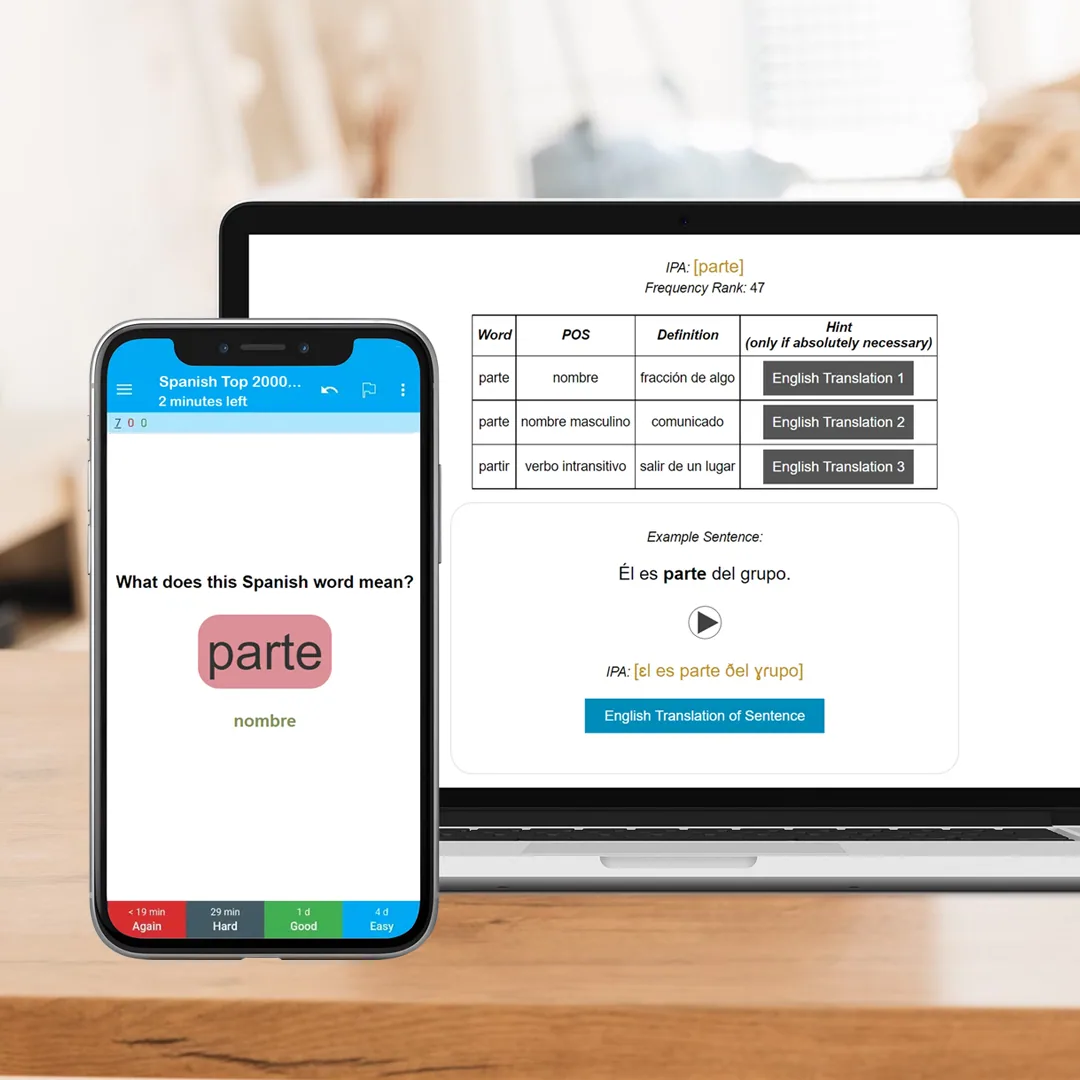
Context-rich examples showing how native speakers actually use words in real situations
-
Adaptive algorithms that adjust to your individual learning patterns and forgetting curves
-
Grammar pattern recognition that breaks complex structures into digestible, memorable chunks
These enhancements make spaced repetition more effective than ever, not obsolete.
Practical Applications: Different Languages, Same Principles
Whether you’re learning Spanish vocabulary, French pronunciation, German grammar, or English phrases, the fundamental principle remains constant: core language elements need to be stored in long-term memory for fluent communication.
Language-Specific Considerations
Spanish learners benefit from spaced repetition for verb conjugations and gendered nouns that need instant recall in conversation.
French learners need automatic access to liaison rules and pronunciation patterns that can’t be looked up mid-speech.
German learners must internalize case system patterns and word order rules for natural expression.
English learners require instant recall of phrasal verbs and idiomatic expressions that don’t translate literally.
In each case, AI can provide explanations and examples, but only spaced repetition builds the automatic recall necessary for fluent communication.
The Evidence: Why Flashcards Still Work
Multiple studies continue to support the effectiveness of spaced repetition for language learning. The forgetting curve research by Hermann Ebbinghaus, refined by modern cognitive science, shows that information reviewed at increasing intervals is retained far longer than information encountered only once or passively consumed.
Measuring Real-World Effectiveness
Try this experiment yourself: Ask AI to translate a complex sentence, then close your eyes and attempt to recall that translation 24 hours later without looking. Compare this with a word or phrase you’ve reviewed five times using spaced repetition. The difference in recall accuracy and speed will be striking.
This demonstrates why passive AI interaction cannot replace active memory training for language mastery.
Building Your AI-Enhanced Language Learning Strategy
To maximize your language learning success, consider this integrated approach:
Phase 1: Foundation Building
Use spaced repetition systems like Anki to master core vocabulary, essential grammar patterns, and fundamental pronunciation rules. Focus on the most frequent 2,000-3,000 words in your target language.
Phase 2: AI-Powered Exploration
Leverage AI tools to explore advanced topics, generate practice conversations, receive feedback on writing, and understand cultural contexts that go beyond basic vocabulary.
Phase 3: Integration and Practice
Combine both approaches by using AI to generate new example sentences featuring your spaced repetition vocabulary, creating a feedback loop that reinforces memory while expanding usage understanding.
Staying Motivated with Smart Learning Communities
Learning a language requires sustained motivation over months or years. Connecting with other learners who share your commitment to effective methods can provide crucial support and encouragement.
Subscribe to the SPEAKADA WEEKLY newsletter to join a community of smart language learners who understand the value of combining traditional proven methods with modern AI tools. You’ll receive practical tips, research insights, and strategies for accelerating your language learning journey through the intelligent use of spaced repetition and modern technology.
The Future of Language Learning: Integration, Not Replacement
As AI continues to evolve, we’ll see more sophisticated integration between artificial intelligence and proven learning methodologies. The future belongs to learners who understand how to leverage both tools strategically, not those who abandon effective methods in favor of seemingly easier alternatives.
Conclusion: Embracing the Best of Both Worlds
The question “Is Anki still worth it when ChatGPT exists?” misframes the issue. The real question is: “How can we use both AI and spaced repetition to learn languages more effectively than ever before?”
AI and spaced repetition serve complementary roles in modern language learning. AI provides instant access to information, explanations, and practice opportunities. Spaced repetition builds the automatic recall and neural pathways necessary for fluent communication.
The most successful language learners going forward will be those who understand this distinction and use each tool for its intended purpose. They’ll use AI to explore and understand language, and spaced repetition to make that language a permanent, automatic part of their cognitive toolkit.
Don’t abandon what neuroscience has proven works. Instead, enhance it with the powerful capabilities that AI provides. Your future multilingual self will thank you for making this strategic choice.
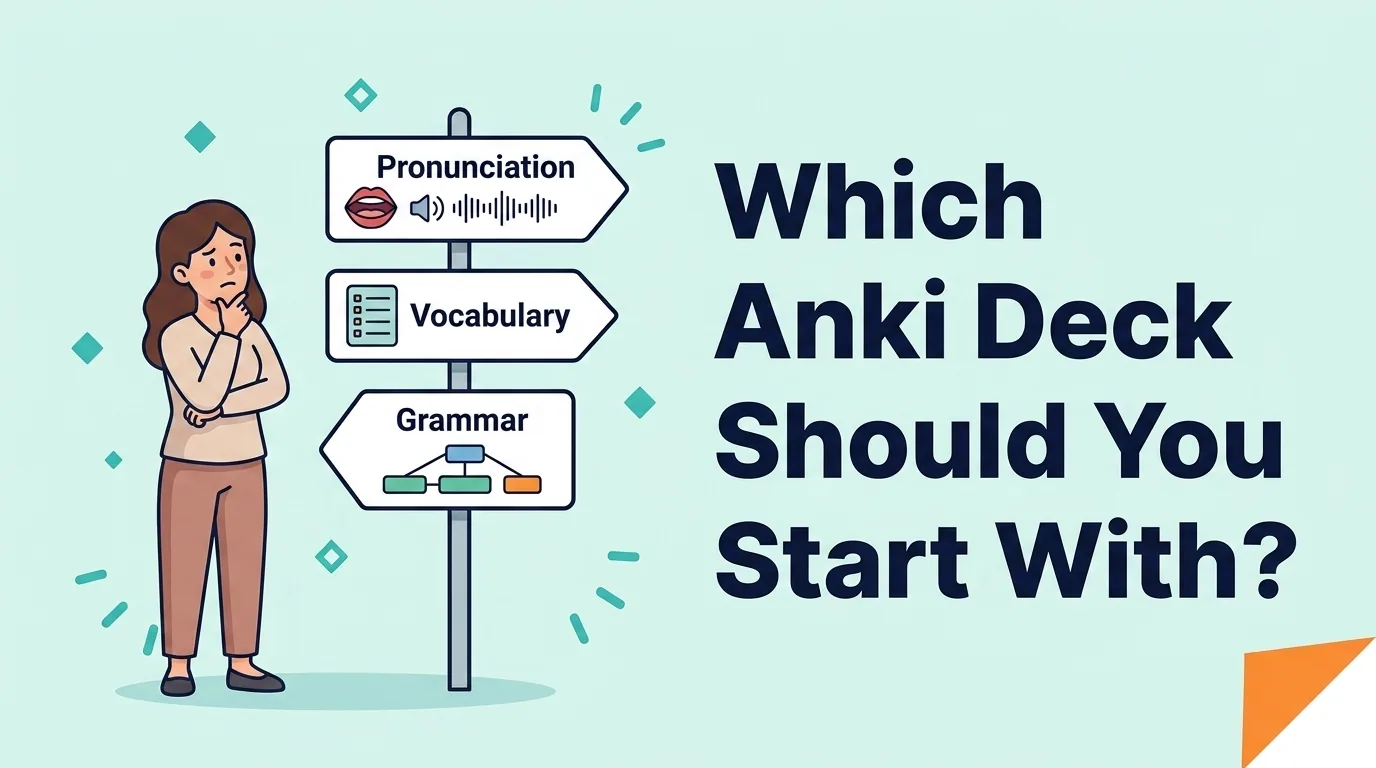
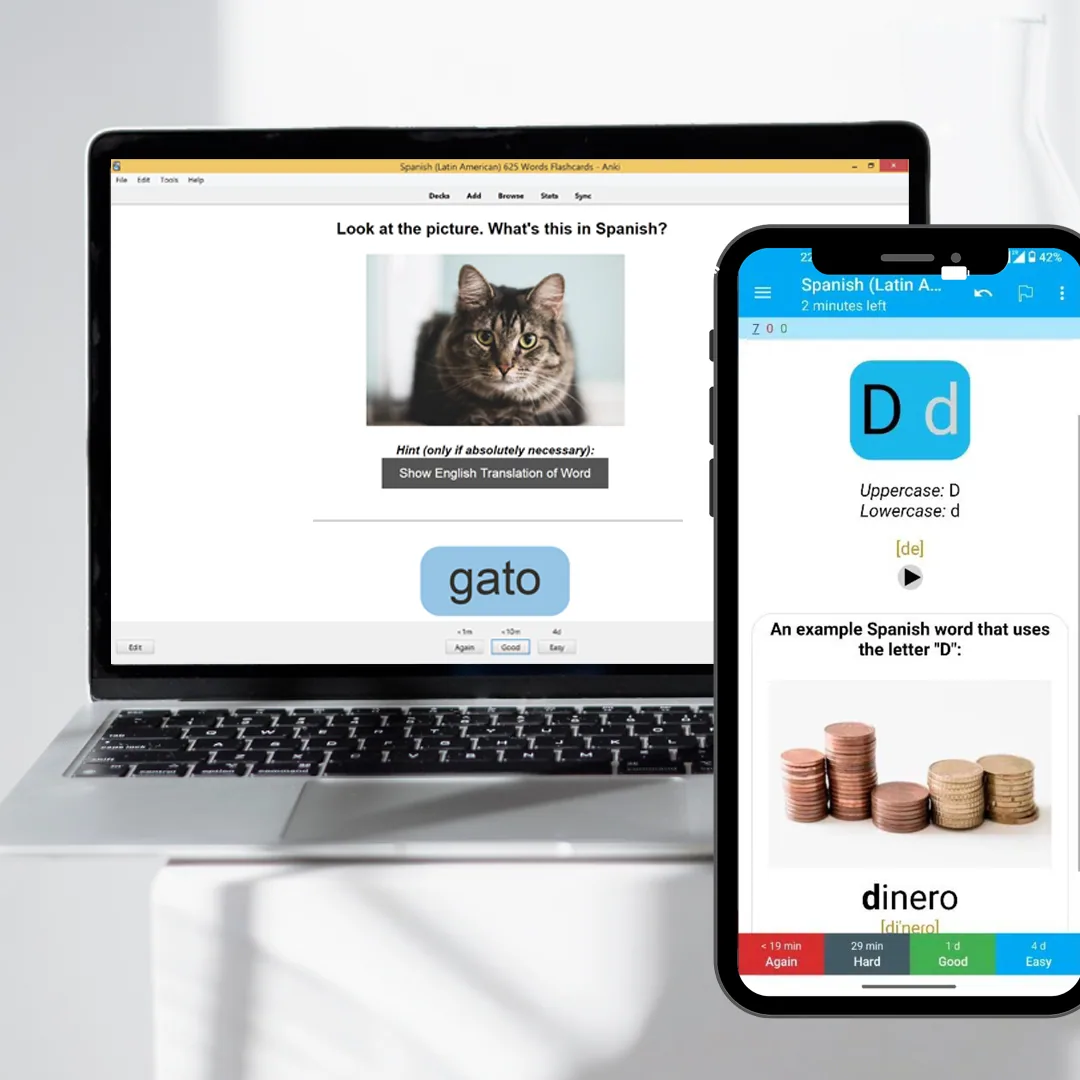
Ready to combine the best of traditional spaced repetition with modern language learning insights? Explore Speakada’s comprehensive Anki flashcard collections for pronunciation, vocabulary, and grammar in Spanish, French, Italian, German, English, Dutch, and Polish. Each deck is designed to build the automatic recall that AI translation cannot provide, giving you the confidence to speak naturally in real conversations.