How Many New Anki Cards Per Day Is Right? The Math Behind a Number You Can Keep

Short answer: for most language learners, about 10 new Anki cards per day is a good number. It is small enough that you will still finish your reviews on a bad week, and it adds up to 300 new cards a month. Pick a number you could still do on your worst day, keep it there, and raise it later only if reviews feel easy.
This is Speakada’s reasoning, based on how Anki’s scheduler works and on the arithmetic below. It is not the result of a study.
What is the “new cards per day” limit in Anki?
The new cards per day limit is the maximum number of brand-new cards Anki shows you in one day. Anki is a free, open-source flashcard app, and this limit is one of its core settings.
Anki is a scheduler. Its only job is to decide when you should see a card again. The limit controls how fast new cards enter that schedule.
Why does the new-card number matter so much?
Every new card you add comes back for review, again and again, at growing intervals. A new card is not a one-time task. It is a promise of future work.
That means the number you choose today decides how heavy your daily session feels a few weeks from now. Most people set it based on how motivated they feel on day one, which is the wrong moment to decide.
What happens if you do 30 new cards a day?
At 30 new cards a day, you add 900 cards to your collection in a month. Each of those cards needs to be reviewed repeatedly.
A few weeks in, the reviews pile up faster than most people expect. The daily session stops being something you can finish. Once a session feels impossible, skipping a day becomes tempting, and one skipped day makes tomorrow’s pile bigger.
We see this pattern as the most common Anki mistake in every language: too many new cards, too fast.
What happens if you do 10 new cards a day?
At 10 new cards a day, you add 300 cards in a month. That is a third of the load, and the reviews stay small enough to finish.
Here is the comparison side by side:
- 30 new cards a day: 900 cards a month, with reviews that grow faster than most people can keep up with.
- 10 new cards a day: 300 cards a month, with reviews you can finish every day.
Slower on paper is often faster in practice, because the streak survives.
How long does it take to finish a deck at 10 cards a day?
A 2,000-word deck at 10 new cards a day takes about 200 days. That is roughly six and a half months of daily study, and you can finish your reviews on every one of those days.
Some people see 200 days and feel discouraged. We would ask a different question: how many people who start at 30 a day are still studying 200 days later?
Consistency is the real engine of a vocabulary deck. For a fluency-focused view of daily totals and study time, see our older guide on how many Anki cards per day to do to become fluent.
What is the right number for a beginner?
For a beginner, start at 10 new cards a day, or lower if your schedule is unpredictable. A beginner is still building the daily habit, and the habit matters more than the speed.
If 10 feels too easy after two or three weeks, raise it in small steps, for example to 12 or 15. If reviews start to feel like a chore, lower it again. Neither move is a failure. You are tuning the setting to your life.
How do you pick a number you can keep?
Use this simple test. Imagine your worst realistic day: you are tired, busy, and short on time. Ask yourself whether you could still finish your reviews plus that many new cards.
If the answer is no, the number is too high. Lower it until the answer is yes.
Here are a few practical rules that follow from this:
- Set the limit for your worst day, not your best day.
- Never raise it the same week you fall behind.
- Raise it only after reviews have felt easy for a couple of weeks.
- If you take a break, expect a bigger review pile, and consider pausing new cards until it clears.
What if I already have too many reviews?
If your review pile is already out of control, stop adding new cards for a few days. Do only reviews until the number comes down to something manageable, then restart new cards at a lower limit.
We wrote a full walkthrough for this situation in our guide on restarting Anki after a break when reviews feel overwhelming.
Does the right number change by language?
No. The scheduler works the same way whether you are learning Spanish, French, Italian, German, Dutch, Polish or English. Words are words, and each new card creates the same kind of future review load.
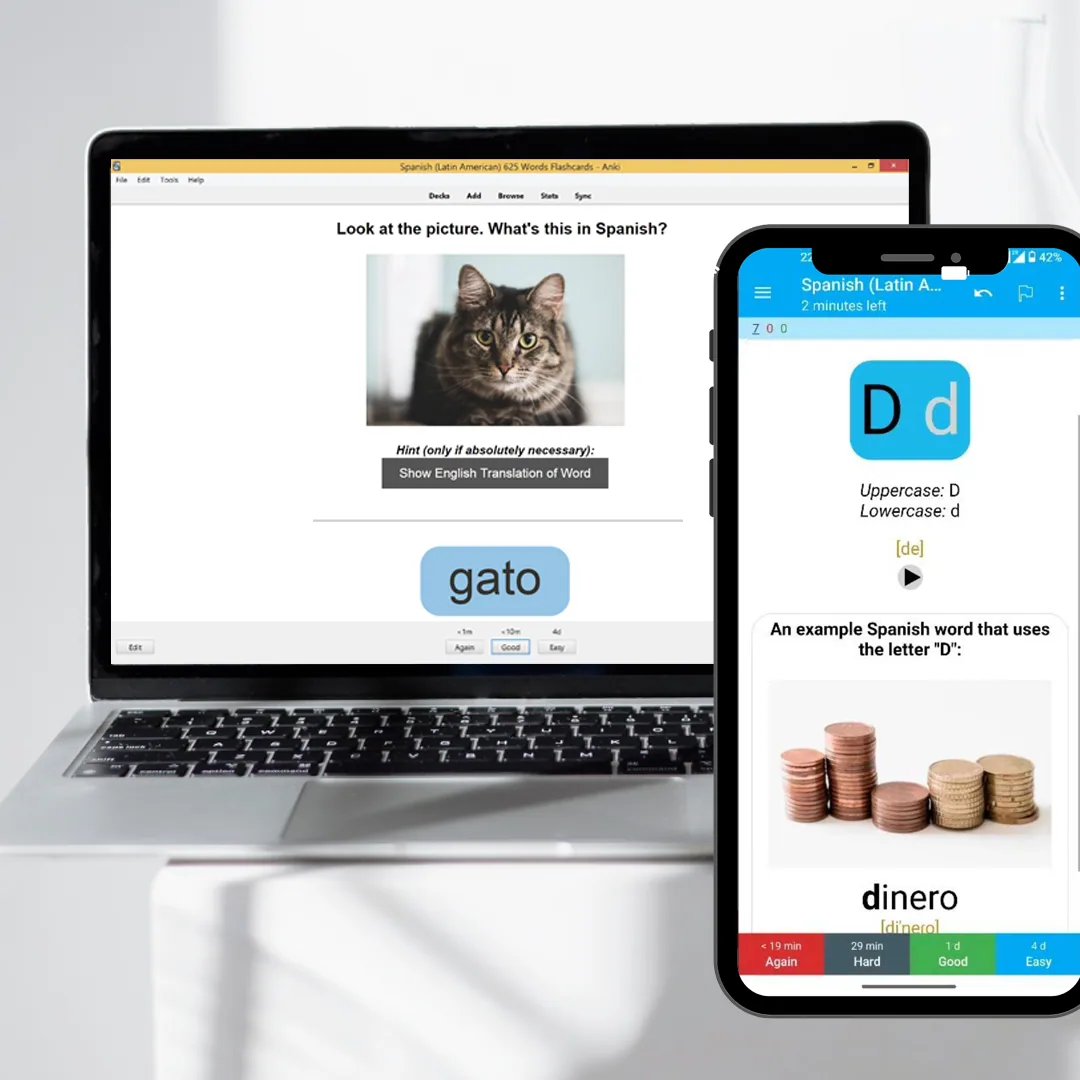
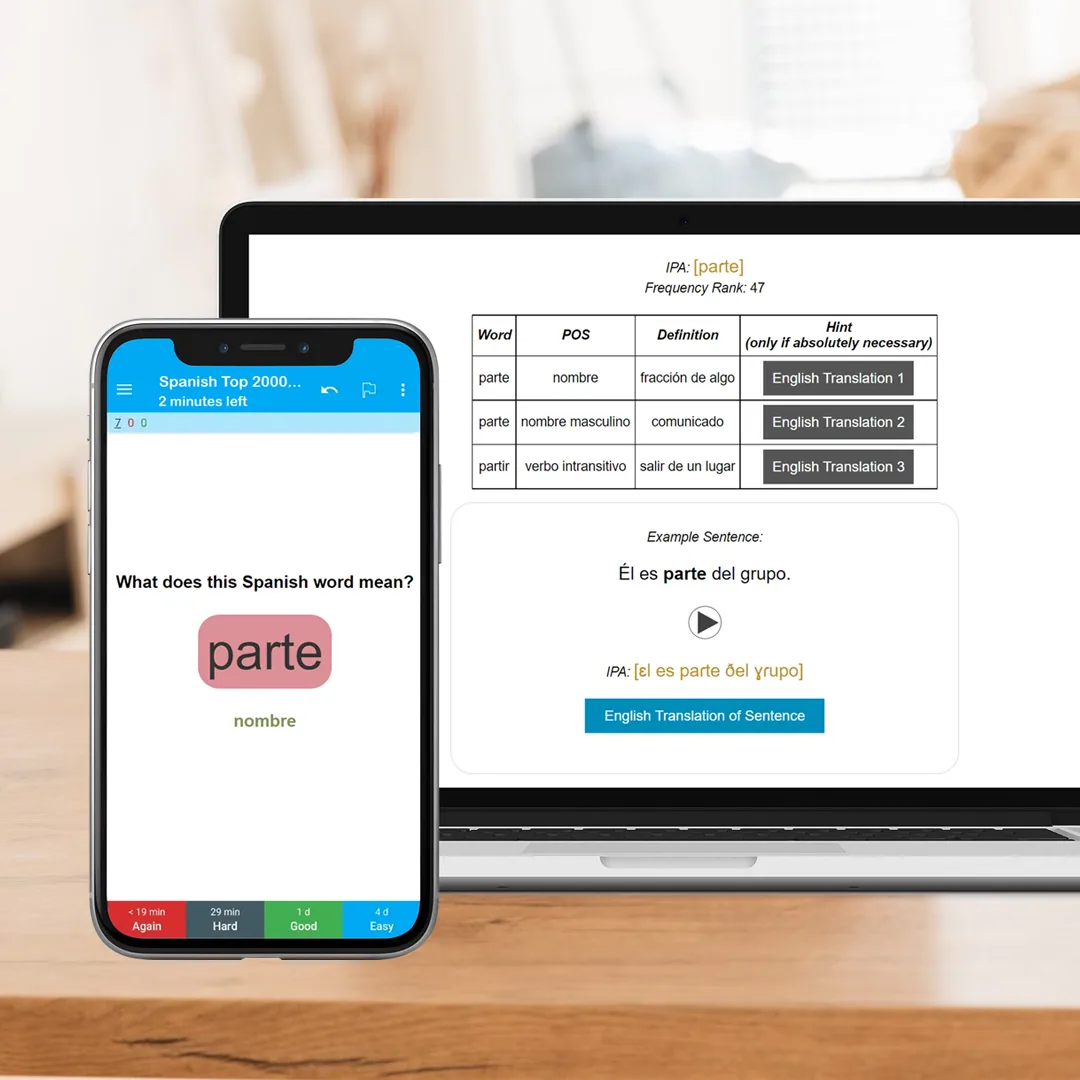
What can change is how much time each card takes you. Cards with a sentence, a translation and pronunciation take longer than a single word. If your cards are richer, your comfortable number may be a little lower, and that is fine.
Does the number matter more than the deck?
Both matter, but they do different jobs. The limit controls the pace, and the deck controls what you are learning.
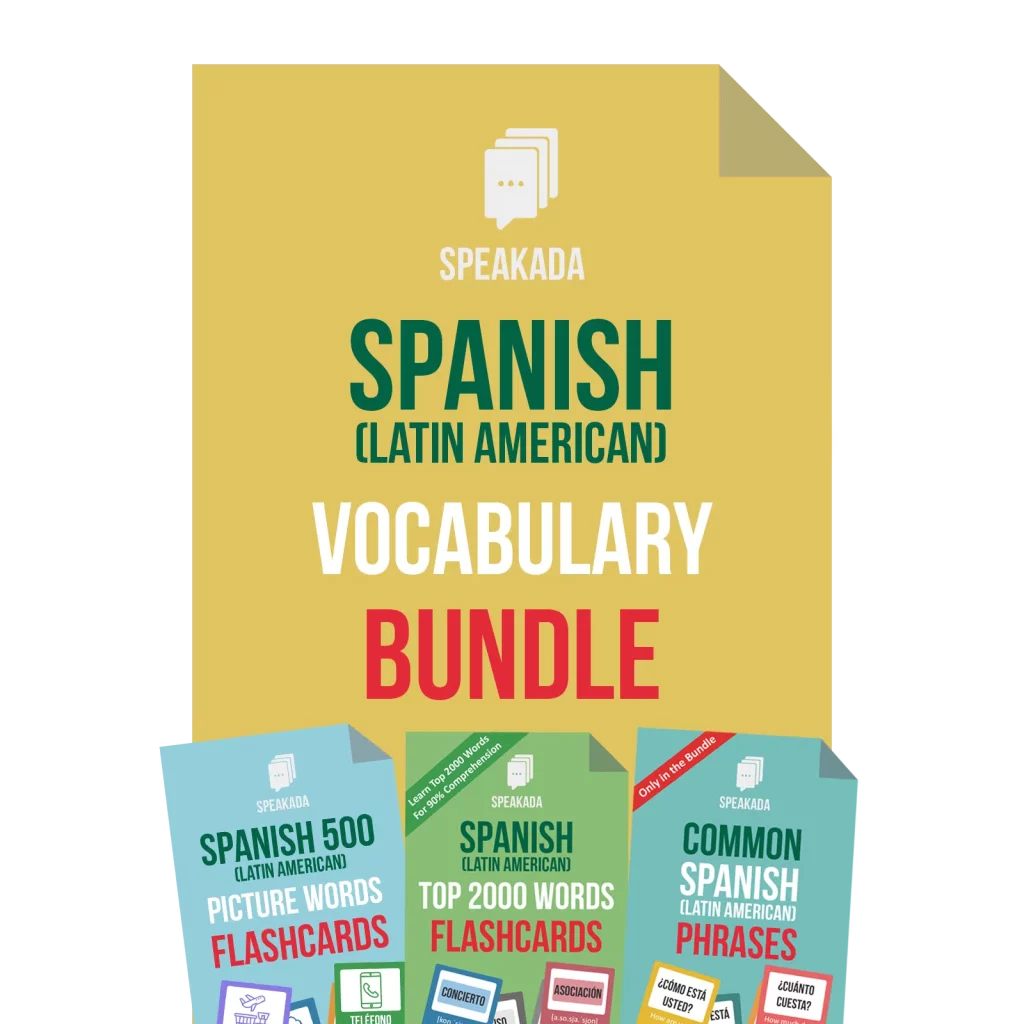
A well-built deck is worth pacing carefully. If you are still choosing one, our vocabulary flashcards hub explains how we build them, and the Spanish Vocabulary Bundle is a good example of a deck sized for a steady daily pace.
How does this fit with the best time of day to study?
The number of cards is only one habit decision. When you study them is another. We cover that in our post on the best time of day to study Anki flashcards.
The bottom line
Choose the limit you could still do on your worst day. For most learners that is about 10 new cards a day, which means 300 a month and a 2,000-word deck in about 200 days.
You can always raise the number later. It is much harder to recover from quitting.
Want more practical, no-nonsense Anki and language-learning tips like this? Subscribe to Speakada Weekly for one useful email a week.